

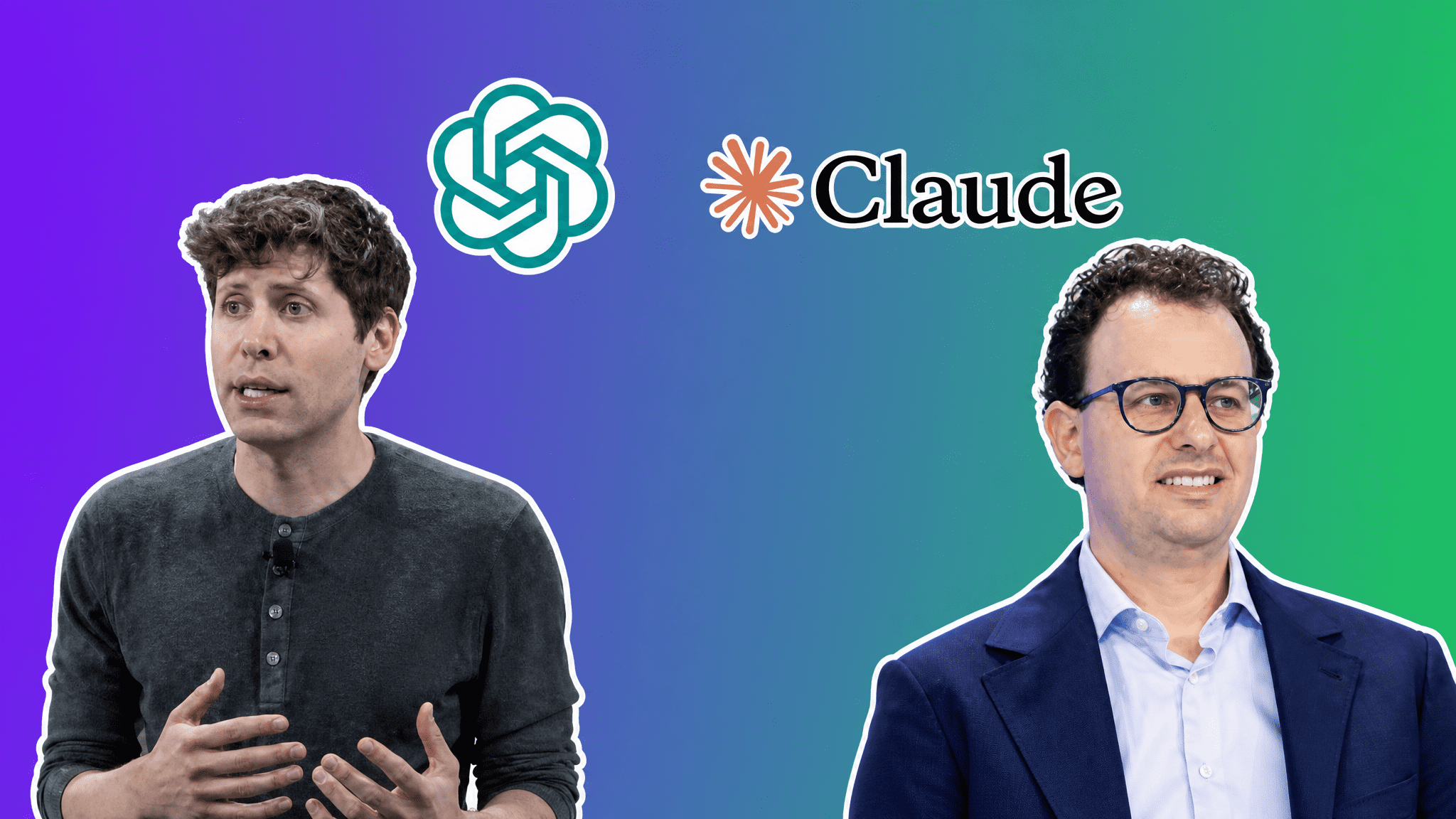
This week the US government began deciding which AI reaches the market, OpenAI started building its own chips, and Anthropic accused Alibaba of copying Claude at industrial scale. Five moves that set the direction of 2026.
I’ve filtered out the noise for you
Washington shifted from regulating AI to approving it, model by model, deciding who gets access to frontier systems. OpenAI unveiled GPT-5.6 with three new models, but the real launch was a guest list. The fight over infrastructure (in-house chips) and intellectual property (China copying Claude) made one thing clear: the AI war is no longer about demos, it is about money, chips, and geopolitics. I close with the risk that is already inside your company: “shadow AI.”
1. OpenAI Launches GPT-5.6, but the Government Decides Who Uses It
OpenAI unveiled the GPT-5.6 family with three models: Sol (the most powerful), Terra (balanced), and Luna (fast and cheap). At the request of the US government, initial access was limited to around 20 trusted entities approved by Washington, citing security concerns over the model’s capabilities. It is the first time a government has publicly halted the launch of a commercial AI model.
Why it matters: If you depend on OpenAI’s tools for sales, marketing, operations, or product, access to frontier models is no longer instant or global. The AI frontier moved from “open launch” to “access by list,” and that changes how you plan your stack.
2. OpenAI Debuts “Jalapeno,” Its First In-House Chip with Broadcom
OpenAI and Broadcom revealed Jalapeno, the first custom-designed chip from OpenAI, optimized to run language models faster and cheaper. The initial rollout targets late 2026, at data-center scale. It was read as a direct strike at Nvidia’s dominance.
Why it matters: More efficient chips mean lower AI costs, which eventually translate into more affordable tools and subscriptions for your team. Whoever controls the silicon controls the margin of the entire industry.
3. Anthropic Accuses Alibaba of Copying Claude with 25,000 Fake Accounts
Anthropic sent a letter to the US Congress accusing Alibaba’s Qwen lab of creating nearly 25,000 fake accounts to generate 28.8 million conversations with Claude. The goal, according to Anthropic, was to “distill” its capabilities to train a rival AI. The company describes it as the largest known distillation attack in its history.
Why it matters: It puts AI intellectual-property theft on the table, relevant if your company generates proprietary data or content that ends up feeding someone else’s models. A model’s competitive edge can leak through its own API.

4. US Partially Releases Anthropic’s Most Advanced Model, “Mythos 5”
The US government authorized Anthropic to reactivate Claude Mythos 5, but only for a limited group of organizations that protect critical infrastructure. The model had been held back for its ability to discover software flaws and the risk of misuse. Its “Fable 5” variant remains off the market.
Why it matters: The most powerful AIs are starting to face restricted access for national security, not price. The line between commercial and regulated is moving fast, and it is worth tracking if you plan long term.
5. Most Employees Already Use AI Apps Banned at Work
A new study revealed that most workers use unauthorized AI applications (“shadow AI”) on the job. The practice puts customer information and sensitive data at risk. It is a direct privacy and compliance alert for sales and operations teams.
Why it matters: If you handle customer data, “shadow AI” can expose information and violate your company’s policies without anyone formally deciding it. Real AI adoption is already happening, but through the back door and without control.
Bonus: Content of the Week
Where are token costs headed? The CEO of Palo Alto Networks explains why companies still do not fully understand AI and the problem with frontier models.


