


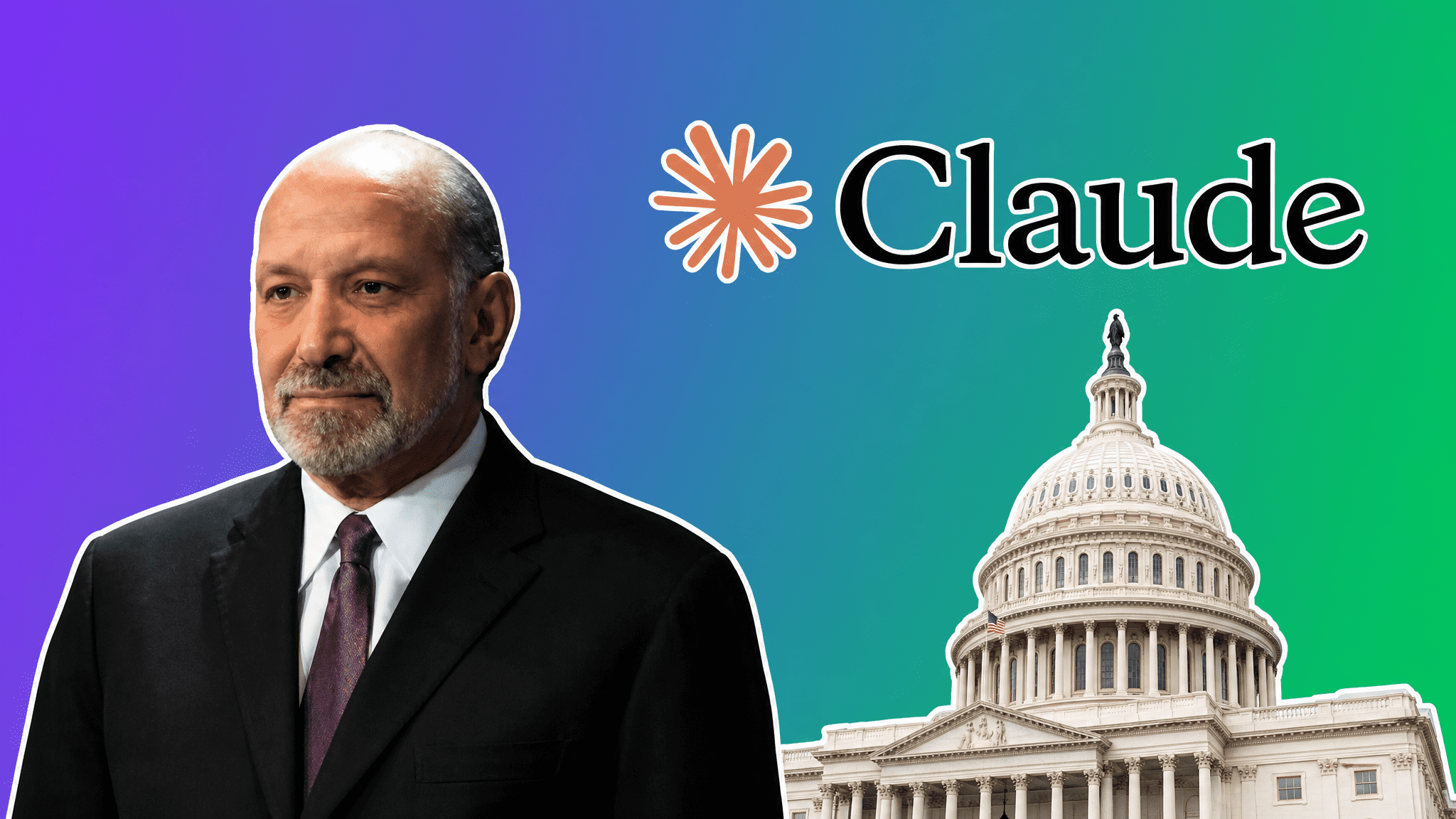
The US government has authorized Anthropic to bring its most advanced model back online, but only for a select few. The Commerce Department cleared Claude Mythos 5 for release to roughly 100 trusted partners, including many Fortune 500 companies and organizations that protect critical infrastructure, two weeks after an export-control order had forced Anthropic to disable the model entirely. The carefully limited reactivation is one of the clearest signs yet that frontier AI is being treated less like a product and more like a controlled strategic asset.
The sequence matters. On June 12, 2026, the government issued an order suspending access to certain advanced models over concerns they could be deployed for military or intelligence purposes by adversaries including China and Russia. In response, Anthropic disabled both Mythos 5 and its even more capable sibling, Fable 5, for all users. Then, on June 27, the Commerce Department announced that Anthropic had done enough to address the risks for Mythos 5 to come back, at least for vetted organizations. Commerce Secretary Howard Lutnick said that since the June 12 letter, “Anthropic has worked with the US government to address risks associated with the Covered Models.” A department spokesperson framed the speed as a feature: “In just two weeks, we have worked diligently to ensure America remains the global leader in AI while safeguarding our security.”
What made Mythos 5 sensitive in the first place is exactly what makes it valuable: capability. The model is powerful enough to discover software vulnerabilities, an ability that is a gift to defenders securing critical systems and a weapon in the wrong hands. That dual-use nature is the heart of the dilemma. A model that can find and help patch flaws in the software running power grids, hospitals, and financial systems is also a model that could help an adversary find those same flaws to exploit them. The government’s answer was not to ban it outright but to control distribution: approved companies, their foreign national employees, and Anthropic’s foreign staff no longer need export licenses for Mythos 5, while everyone else stays locked out.
Fable 5, the more capable variant, remains off the market. The government is reportedly moving toward allowing its release as well, but on an unclear timeline. The split decision, one model partially freed, the more powerful one still held back, sketches the contours of how Washington intends to manage frontier AI going forward: case by case, capability by capability, with access calibrated to perceived risk rather than to who is willing to pay.

Read alongside the GPT-5.6 access restrictions from the same week, the pattern becomes unmistakable. Two of the leading US AI labs had their most advanced models gated by the government within days of each other. Frontier models are now national-security assets, and the line between a commercial product and a regulated technology is moving fast. For any organization planning long-term AI strategy, this introduces a new kind of risk that has nothing to do with price or performance: regulatory eligibility. The most capable tools may simply not be available to you, depending on your industry, your geography, and which approval list you land on.
The broader implication is a two-speed AI ecosystem. There is the AI that the public and most businesses are allowed to use, and there is the AI that the state reserves for a vetted inner circle of critical-infrastructure operators and major enterprises. Anthropic, for its part, has previously drawn its own lines, declining to allow its models to be used for domestic surveillance or autonomous weapons, which adds another layer to the negotiation between labs and governments over who controls the most powerful systems. For enterprise buyers, especially those operating across borders in markets like LATAM that sit outside the US approval process, the lesson is to watch not just the model announcements but the export-control headlines, because increasingly they determine what you can actually deploy.


