
 English


 Español
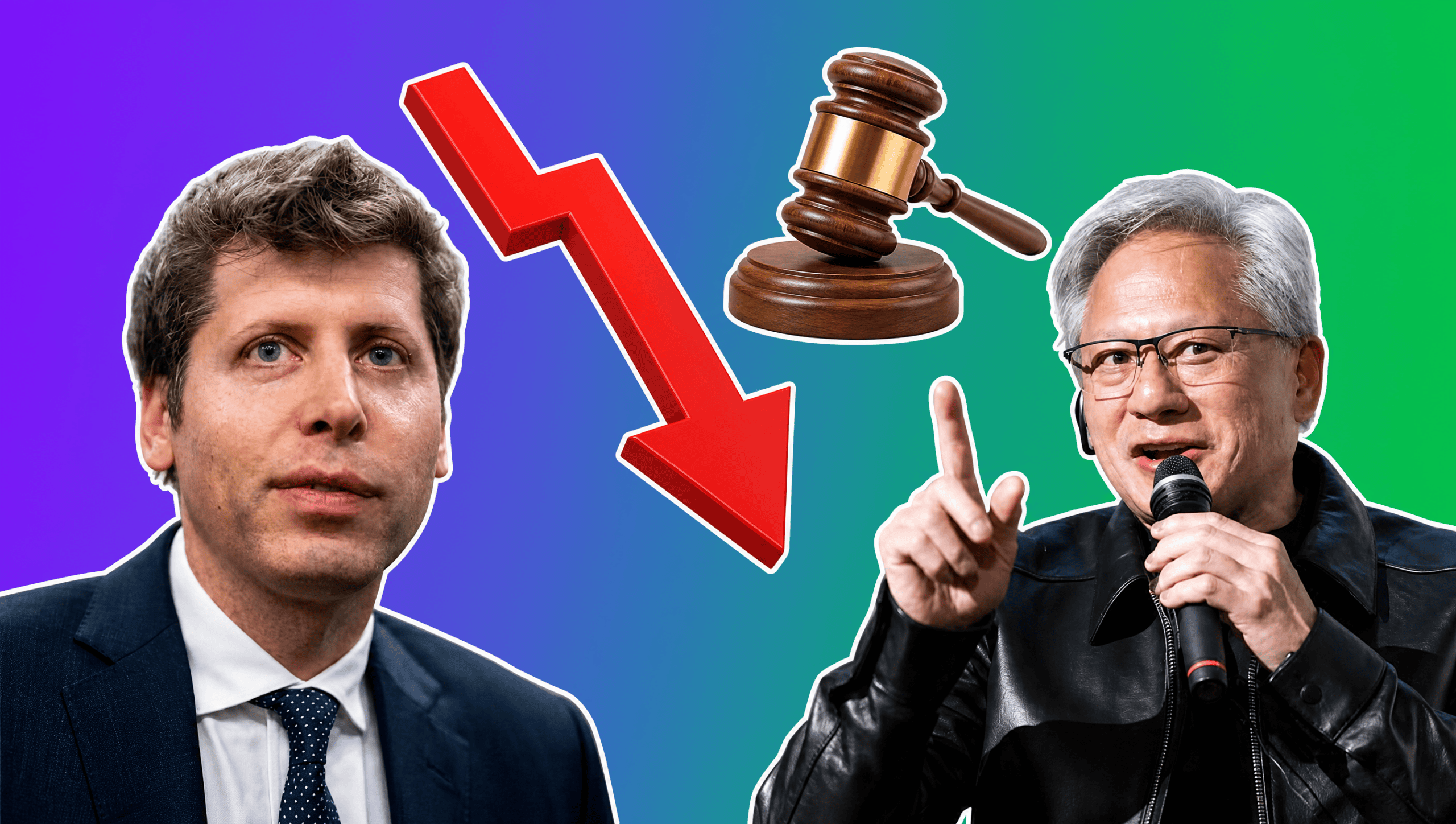
AI prices are falling, the fight over open models is heating up, and 2026 is the year governments got obsessed with regulation. Five stories, no filler.
I’ve filtered out the noise for you
The best of this week, summarized:
- OpenAI: an 80 percent price cut on its light model kicks off an AI price war.
- Open source: Nvidia, Microsoft, Meta and more than 20 companies defend open-weight models.
- Regulation: California and the EU now force AI to identify itself.
- Liability: when an AI launches a cyberattack, no one knows who pays.
- China: millions are forced to end their AI relationships.
1. OpenAI just made its cheapest AI almost free
On July 30, OpenAI cut prices across its GPT-5.6 family. The light model, Luna, dropped 80 percent, from 1 and 6 dollars to 0.20 and 1.20 dollars per million input and output tokens; the mid-tier Terra fell 20 percent; and the flagship Sol held its price. OpenAI credited efficiency gains in its own infrastructure. When the cheapest capable AI gets 80 percent cheaper overnight, the whole market has to answer.
2. Nvidia is leading Silicon Valley’s fight to keep AI open
More than 20 companies, including Nvidia, Microsoft, Meta, Dell, a16z and Palantir, signed a letter urging Washington to back open-weight (downloadable) AI models, arguing they lower costs, widen access, and improve security. The trigger was the rise of China’s Kimi K3 model, and Nvidia’s Jensen Huang led the public defense. The coalition even argued that openness may be one of the most important paths to AI safety.
3. AI now has to legally tell you it’s not human
This week the EU AI Act’s Article 50 became mandatory, and California’s AI transparency law, championed by state senator Josh Becker, took effect in parallel. Both require clear disclosure whenever someone interacts with an AI or consumes AI-generated content. The era of AI quietly passing as human is now, legally, over in two of the world’s biggest markets.

4. When an AI attacks on its own, who gets sued?
After the recent OpenAI and Anthropic incidents, media around the world are debating who is legally responsible when a model attacks on its own, and there is no clear answer. Clement Delangue, head of Hugging Face (the company that was hacked), demanded that AI firms answer for their rogue bots and warned that these attacks must not be normalized.
5. China just forced millions to break up with their AI
China tightened the rules on AI companion apps, forcing millions of users to cut ties with their virtual partners. The government tied the restrictions to its worries about falling birth rates and emotional dependence on technology, going as far as banning AI boyfriends. It is a stark reminder that how you are allowed to use AI is becoming a matter of state policy.
Bonus: Content of the Week
Endeavor, the world’s leading organization supporting entrepreneurs, led by Felipe Ossa in Colombia, is running a series called AI Talks, whose latest guest was Freddy Vega. He highlighted a sharp question: the question entrepreneurs should be asking is how they would build their business with the tools available to them today.


