



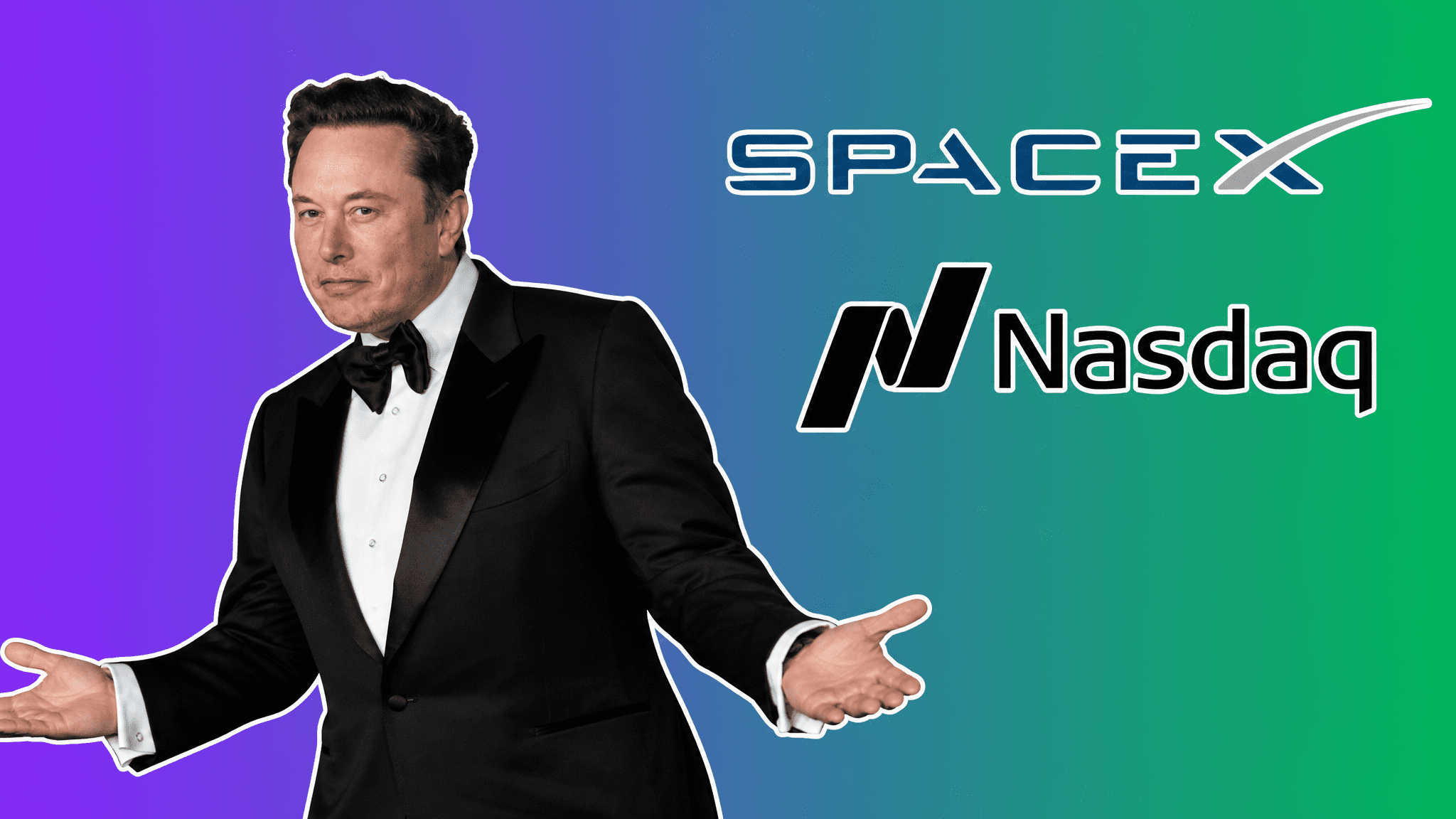
SpaceX officially filed its S-1 registration statement with the SEC on May 20, 2026, setting the stage for one of the largest initial public offerings in history. The company plans to list on Nasdaq under the ticker symbol SPCX, targeting a valuation between $1.75 trillion and $2 trillion and seeking to raise between $40 billion and $80 billion from public investors.
For years, SpaceX remained a private company, its financials shielded from public view. The S-1 changes that. The filing reveals a business that generated $18.7 billion in revenue in 2025, spanning rockets, satellite internet through Starlink, and an increasingly large investment in artificial intelligence. Goldman Sachs is leading the underwriting effort, with Morgan Stanley, Bank of America, Citigroup, and JPMorgan Chase in supporting roles. Pricing is scheduled for June 11, 2026, with trading expected to begin June 12.
The most striking detail in the filing is where SpaceX is allocating capital. In 2025, the company invested $12.7 billion in AI research and development, a figure that exceeded what it spent on either rocket development or satellite connectivity. In the first quarter of 2026 alone, AI spending reached $7.7 billion. The company identifies a total addressable market of $28.5 trillion, a number that spans aerospace, defense, connectivity, and AI-driven services.
This is not the SpaceX most people imagine when they think of rockets and Mars missions. The S-1 positions SpaceX as a technology conglomerate with AI at its core, using space infrastructure as a distribution layer. Starlink, which operates a constellation of approximately 10,000 satellites, is not just an internet service. It is a data network that feeds AI systems and enables global connectivity at scale.
For enterprise teams and technology buyers, the SpaceX IPO carries several practical implications. First, it legitimizes the intersection of aerospace and AI as an investable category. Second, it raises questions about competitive dynamics: SpaceX’s AI investment levels are comparable to the largest technology companies in the world, and its infrastructure advantages give it a different kind of moat. Third, for businesses in Latin America and other emerging markets, Starlink’s expansion represents a real change in connectivity infrastructure that enables AI adoption in regions where terrestrial broadband remains unreliable.
The IPO roadshow begins in early June. Institutional investors will scrutinize the path to profitability, the sustainability of AI spending at current levels, and the regulatory risks of a company with both government contracts and commercial ambitions at this scale.

What the SpaceX IPO ultimately signals is a broader trend: the companies building the physical infrastructure of the next decade, whether rockets, satellites, or data centers, are also making the largest bets on AI. The line between aerospace company and AI company is becoming difficult to draw.


