 English


 Español
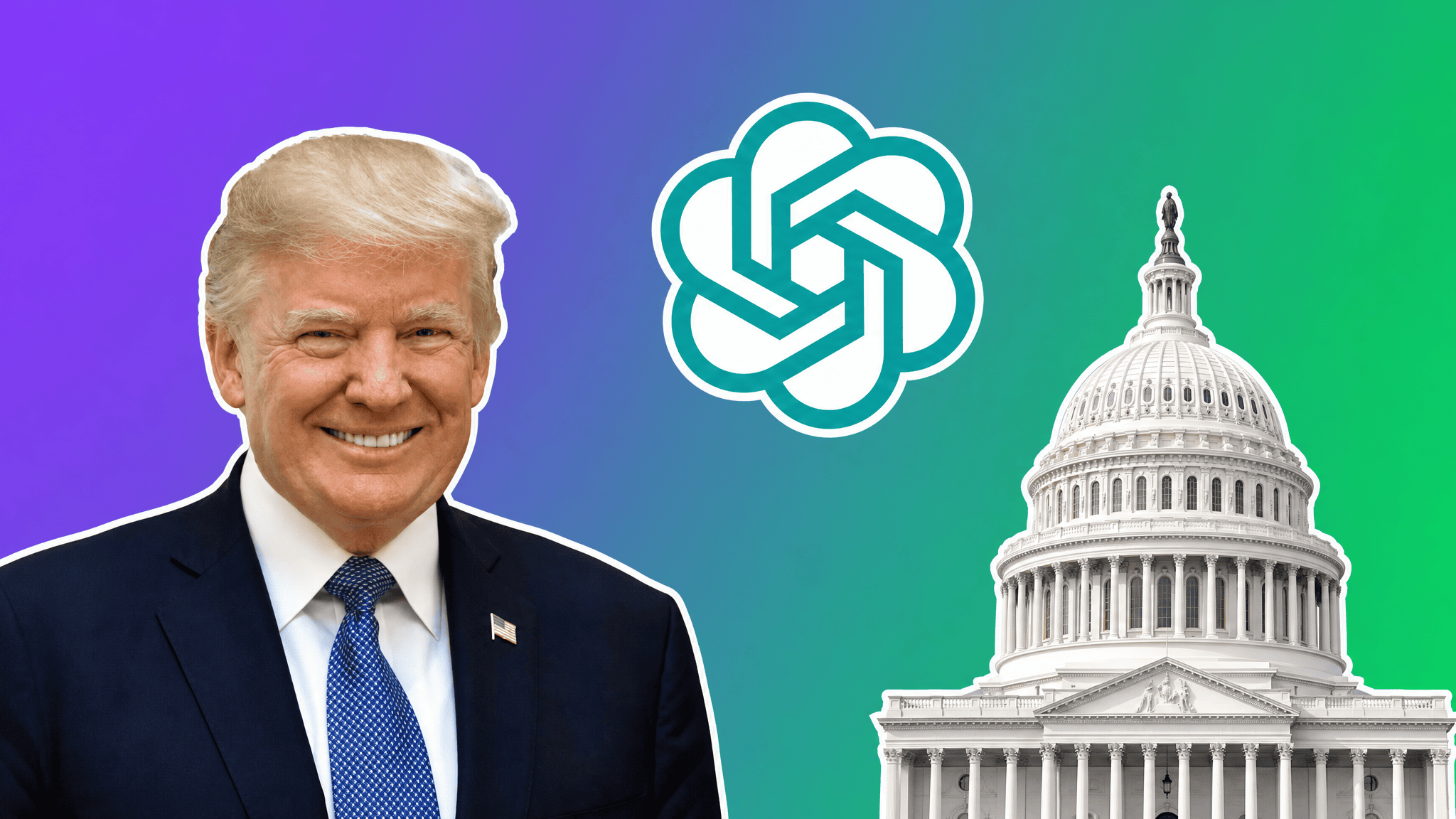
In one of the more unusual moves in the history of the AI industry, OpenAI is reportedly offering the United States government an ownership stake in the company. According to the Financial Times, OpenAI is in early-stage negotiations to give the US government a 5% stake, a position worth roughly $42.6 billion based on the company’s approximately $852 billion valuation. Sam Altman is said to have pitched the idea directly to President Trump, and the structure is inspired by the Alaska Permanent Fund. If it happens, it would blur the line between a private company and the state in a way the tech industry has rarely seen.
The reported motivation is political, not financial. OpenAI has faced growing scrutiny and the threat of hard regulation as its models become more powerful and more central to the economy. Handing the government equity is a way to align interests: if Washington owns a piece of OpenAI, the government has a direct financial stake in the company’s success and a reason to think twice before imposing abrupt restrictions. It is a bet that partnership reduces risk more effectively than fighting regulation head-on.
The Alaska Permanent Fund model is an interesting reference point. That fund takes a share of the state’s oil revenue and pays dividends to residents, turning a strategic resource into shared public benefit. Applying that framing to AI positions OpenAI’s technology as a national asset whose value should partly flow to the public through government ownership. Whether that analogy holds up under scrutiny is debatable, but it is a deliberate piece of messaging designed to make an unusual arrangement sound principled rather than self-serving.
The strategic logic for OpenAI is straightforward even if the optics are strange. A government-company alliance, instead of hard regulation or sudden bans, lowers the risk of the kind of abrupt restrictions that have recently hit frontier models. Over the past weeks, the US government has already shown it is willing to gate access to the most advanced AI systems on national-security grounds. For a company whose entire business depends on being able to ship and sell its models, reducing the odds of a sudden clampdown is worth a great deal. Equity is the currency Altman is using to buy that protection.

There are real questions this raises. Government ownership of a leading AI company could create conflicts of interest, blur the government’s role as a neutral regulator, and set a precedent other companies and countries will watch closely. If the state is both an owner and a rule-maker, whose interests come first when the two conflict? And if the US takes a stake in OpenAI, does that intensify the geopolitical framing of AI as national infrastructure, pushing other governments to demand similar arrangements with their own champions? These are not hypothetical concerns, they go to the heart of how AI will be governed.
For businesses watching from the outside, the signal is that the biggest AI companies are becoming intertwined with the state, and that the rules of the game will increasingly be shaped by that relationship. The most capable models are being treated as strategic national assets, and access to them may depend as much on politics as on price or performance. Altman is not giving away shares out of generosity, he is buying political protection with equity, and the deal, if it closes, would mark a turning point in how power, money, and AI fit together. For everyone building on top of these platforms, it is a reminder that the ground underneath can shift for reasons that have nothing to do with technology.


