



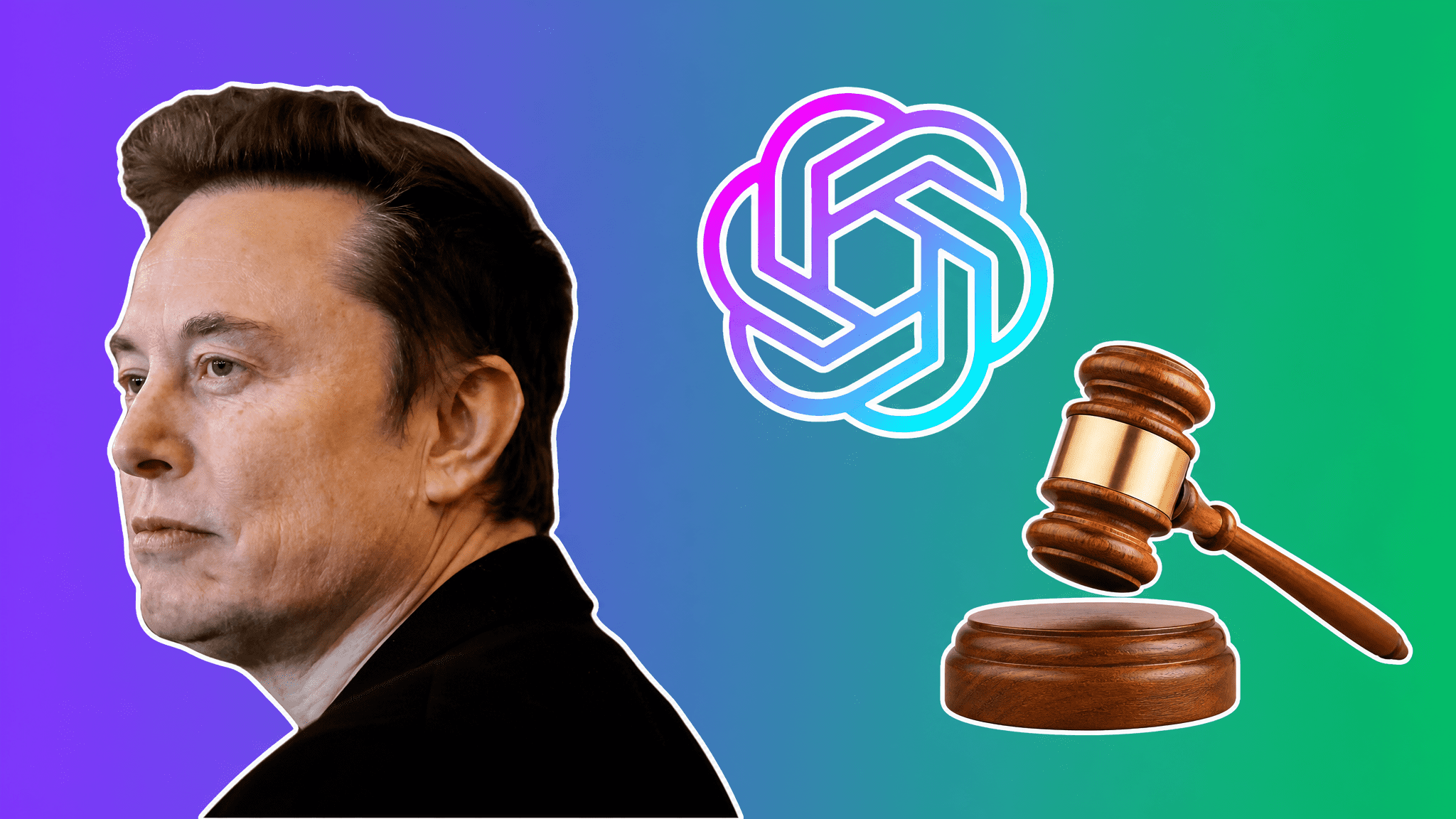
A federal jury in Oakland, California delivered a swift and decisive verdict on May 14, 2026, ruling against Elon Musk in his high-profile lawsuit against OpenAI. The jury reached its decision in under two hours, a remarkably short deliberation for a case that had been building for more than a year and had drawn attention from across the technology industry.
Musk filed the lawsuit claiming that OpenAI had betrayed the terms of its original founding mission. When OpenAI was established in 2015, it operated as a nonprofit organization, with Musk himself among its earliest backers and board members. He left the board in 2018 citing conflicts of interest with his other ventures. His core legal argument was that OpenAI’s subsequent restructuring into a for-profit company violated an implied contract to pursue artificial intelligence research for the benefit of humanity rather than shareholders.
The outcome was not a surprise to legal analysts who had followed the case closely. Courts have generally been reluctant to intervene in organizational restructuring decisions, even at organizations that were originally formed with stated public benefit missions. But the speed of the verdict underscored just how thoroughly the jury rejected Musk’s arguments.
For OpenAI, the timing could not have been better. The company has been preparing for an initial public offering, and a loss in this lawsuit could have created serious uncertainty around its governance structure and valuation. With the verdict now in OpenAI’s favor, one of the last major legal obstacles to its public offering has been cleared. Investors who had priced in legal risk can now revise those assumptions.
The case also had symbolic weight. Musk has been a vocal and persistent critic of OpenAI since departing from its board, and he went on to found xAI, his own AI company and a direct competitor. The lawsuit was widely seen as part of an ongoing rivalry as much as a genuine legal grievance. The verdict effectively closes that chapter and leaves OpenAI free to pursue its commercial ambitions without the threat of a court-ordered reversal of its restructuring.
For the broader AI industry, the ruling sends a clear signal. Organizations that start as nonprofits and later transition to commercial structures will not automatically face legal liability for that shift, even when they have made explicit public statements about their mission. Courts appear unwilling to act as enforcers of mission statements that were never written as binding legal contracts.
This has implications across the AI ecosystem. Several AI research organizations have similar histories, starting with philanthropic or academic missions before building commercial products. The Musk verdict provides some legal clarity that their founders and investors will find reassuring.

The question of whether OpenAI has lived up to its original mission is one that will continue to be debated publicly, but it is no longer a question that will be settled in a courtroom. For the company, its leadership, and its investors, the verdict opens the path to an IPO that could become one of the most significant public offerings in technology history. For Musk, it represents a setback in his campaign to challenge OpenAI’s legitimacy, though it is unlikely to be his last word on the subject.
For businesses in Latin America and globally evaluating AI tools and partnerships, the verdict reinforces the stability of OpenAI as a commercial entity. Enterprises considering long-term contracts or integrations with OpenAI products can now do so with greater confidence that the company’s legal and governance foundations are intact.


