


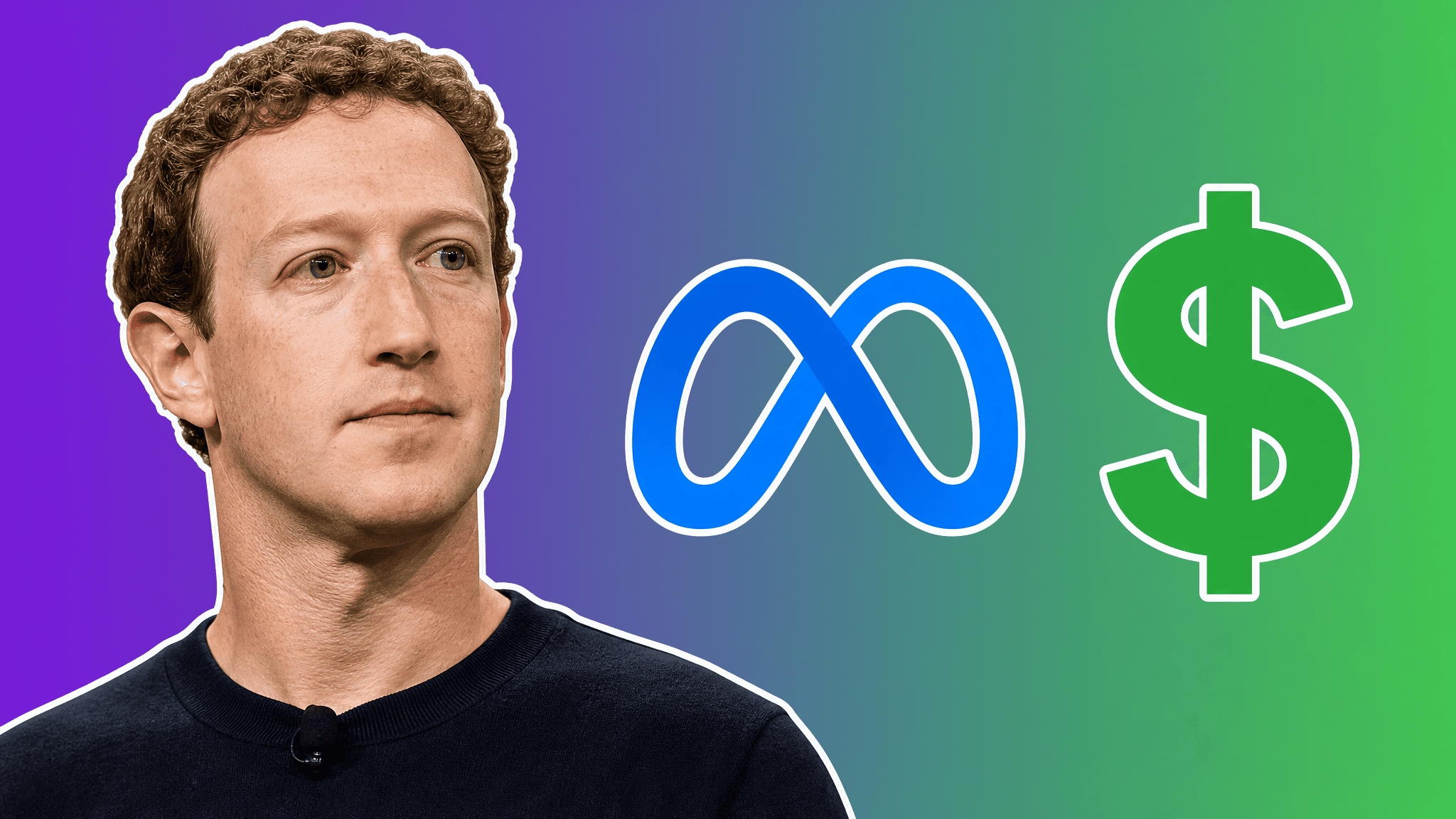
For years, Meta played the generous one. While OpenAI and Anthropic charged for access, Meta gave its AI away, releasing open models the whole industry could build on for free. That strategy bought Meta enormous goodwill and made its models the default starting point for countless developers. This week, the bill arrived. With the launch of Muse Spark 1.1, Meta started charging for access to its AI, and the era of free-as-a-strategy quietly ended.
What Muse Spark 1.1 targets
Muse Spark 1.1 is aimed squarely at the most valuable slice of the market: code and agents. These are the workloads businesses actually pay for, the ones that automate real tasks and replace real hours of labor. Meta is not putting a price on casual chatbot use, it is charging for the horsepower that developers and companies use to build products. That is a telling choice, because it is where the money is.
To soften the shift, Meta bundled 20 dollars in credits with the launch and set its prices below rivals like Grok. That combination, free credits to get you in the door and lower prices to keep you there, is a classic land-grab. Meta is betting that developers who try Muse Spark on someone else’s dime will stay once the credits run out, especially if it undercuts the competition on cost. It is less a friendly gift than a carefully priced hook.
The first real AI price war
The bigger story is what this says about the market. Open source as a public relations play worked when AI was a race for mindshare and Meta needed to be seen as the open alternative. Now that agents and coding tools are generating real revenue, the calculus has changed. Meta wants your dollars, and by pricing aggressively it is lighting the fuse on the first serious price war in the sector. When a company that gave its product away starts charging less than everyone else, the whole market gets dragged toward cheaper.
What it means for buyers
For buyers, that price war is good news, at least in the short term. More competition on price means lower costs per task, which makes it cheaper to put AI to work across a business. The catch is dependency. Building on a provider because it is free is one thing, building on it because it is cheapest today is another, and prices that go down to win share can go back up once the share is won.

The practical lesson for teams evaluating AI right now is to separate the tool from the price. A model that is cheap this quarter may not be cheap next year, so the smarter question is whether a platform solves your problem well enough that you would pay a fair price for it. Chase outcomes, not discounts, and you will not get whiplash when the promotional pricing ends.
Meta’s move confirms what the numbers already suggested: the free-AI honeymoon is over. The models that defined the open era are still around, but the company behind them has decided the audience is now a customer base. The party was fun while it lasted, and Meta just turned on the lights.


