



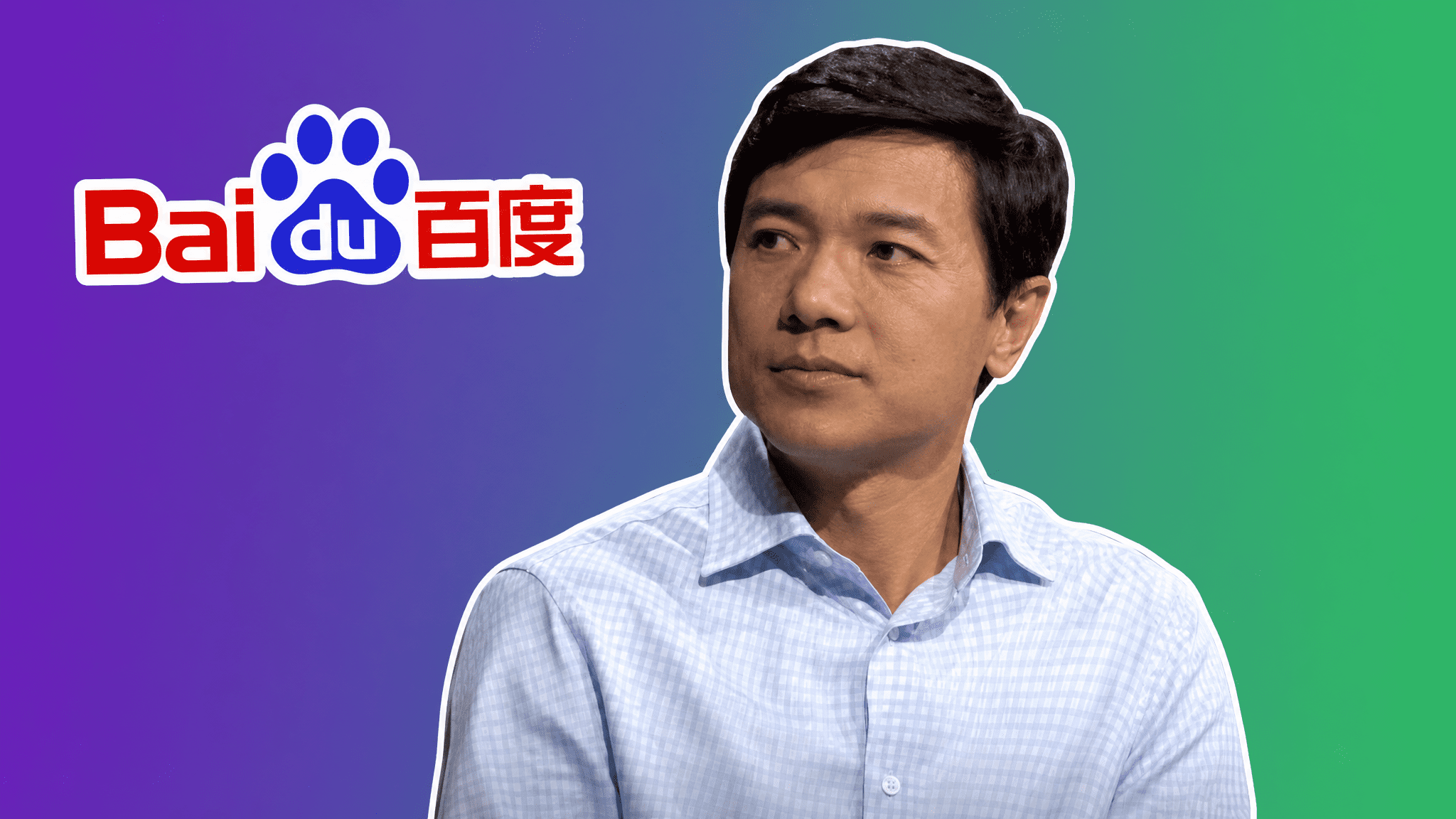
Baidu held its annual developer conference, Baidu Create 2026, and used it to unveil three new AI products: DuMate, Miaoda, and YiJing. Together, the announcements paint a clear picture of where one of China’s leading technology companies is placing its bets in the next phase of the AI race, and those bets span consumer productivity, developer tools, and commerce.
DuMate is the most strategically ambitious of the three. It is a generalist AI agent designed to handle complex, multi-step tasks autonomously. Rather than responding to individual prompts, DuMate is built to take on extended goals and work through them independently, making decisions at each step without requiring constant human guidance. This positions it as a direct competitor to agent products from OpenAI and Anthropic, both of which have been investing heavily in autonomous task completion capabilities over the past year.
The race to build reliable, capable AI agents is arguably the most strategically important contest in the AI industry right now. Whoever builds agents that can handle real-world tasks at the level of a competent professional will have an enormous advantage in both consumer and enterprise markets. DuMate’s launch signals that Baidu is not willing to cede that ground to Western competitors.
Miaoda addresses a different market: software developers. The product is a coding assistant where the AI writes 90 percent of the code. For developers building applications at speed, a tool that handles the bulk of code generation while leaving humans to supervise, guide, and refine the output could dramatically accelerate productivity. Miaoda’s positioning puts it squarely in competition with GitHub Copilot and Cursor, two coding tools that have already captured significant developer mindshare. The 90 percent figure is a bold claim and one that will face significant scrutiny as developers put the tool through real-world use.
YiJing is the most distinctive of the three. It is a digital human platform designed specifically for e-commerce applications. Digital humans, AI-generated characters that can conduct natural conversations, demonstrate products, and guide purchasing decisions, have become a mainstream feature of Chinese livestream commerce over the past several years. YiJing gives businesses a scalable platform to create and deploy these AI-powered sales representatives without requiring a human presenter for every stream.
This reflects a commerce dynamic that is well established in China but has not yet taken hold at the same scale in most other markets. Video-driven, interactive selling is standard practice for Chinese e-commerce brands. If this model spreads internationally, and early signs in Southeast Asia and Latin America suggest it might, platforms like YiJing could become globally relevant.

The Baidu announcements come at a time when Western coverage of AI often focuses almost exclusively on US-based companies. But Baidu, Alibaba, ByteDance, and other Chinese firms have been building sophisticated models and applications in parallel, and in some categories they are ahead. Baidu’s AI revenue has been growing, and the breadth of the Baidu Create 2026 lineup suggests a company with genuine technical confidence across multiple domains.
For businesses in Latin America and other emerging markets evaluating AI tools, the Chinese AI ecosystem represents a real alternative to the US-dominated landscape. Chinese AI products are technically competitive, often priced differently, and in categories like digital commerce tools may be more directly applicable to markets with younger demographics and high mobile usage. The geopolitical considerations are real, but so is the capability.
Baidu Create 2026 shows that China’s AI development is not just fast, it is broad. The combination of a generalist agent, a developer coding tool, and a commerce-specific digital human platform reflects a deliberate strategy to compete across multiple verticals simultaneously.


