 English


 Español
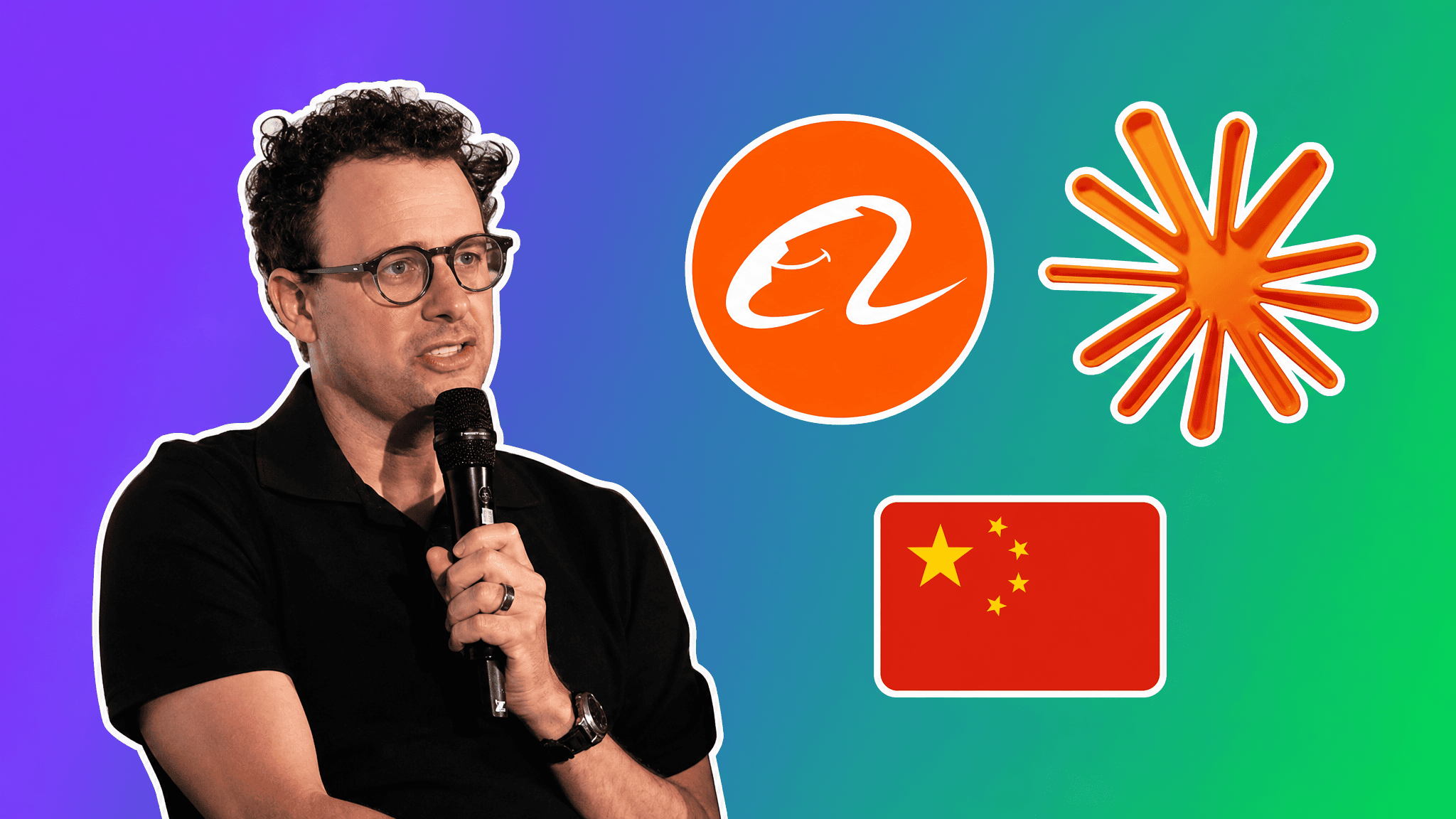
The geopolitical fault line running through the AI industry just claimed another casualty. Alibaba has banned its employees from using Anthropic’s Claude Code, the company’s popular AI coding tool, effective July 10, 2026. According to the South China Morning Post, Alibaba added Claude Code to its list of high-risk software after researchers flagged hidden code that could identify whether a user was based in China or connected to Chinese AI laboratories. It is a stark example of how AI tools are increasingly caught up in the tension between the US and China.
Alibaba’s internal notice was direct, describing Claude Code as software with security vulnerabilities and prohibiting all staff from using it in its offices starting July 10. The concern, according to the reporting, centers on functionality that could secretly determine a user’s location or affiliation. Security researchers said they discovered the mechanism earlier that week and shared their findings publicly on Reddit and GitHub, which is what appears to have prompted Alibaba’s swift response.
The move does not come out of nowhere. It follows a period of escalating friction between Anthropic and Chinese firms. In recent weeks, Anthropic publicly accused Chinese labs, including Alibaba’s Qwen team, of illicitly distilling Claude’s capabilities by pulling millions of conversations out of the model to train competitors. Now Alibaba is responding in kind, treating Anthropic’s tooling as a security risk. Whatever the technical merits on either side, the pattern is one of mutual distrust hardening into concrete restrictions.
The practical effect is that a widely used developer tool is now off-limits inside one of the largest technology companies in the world, purely because of where that company operates. Claude Code has become popular with engineers for its ability to plan and execute coding tasks, so cutting it off is not a trivial inconvenience, it forces Alibaba’s developers to find alternatives and reshuffle their workflows. But the company clearly decided the perceived security risk outweighed the productivity cost.

The broader lesson is that geopolitics now decides which AI tools you can use depending on where you operate. For most of the software era, developer tools were global by default, you picked the best tool for the job and used it wherever you were. That assumption is breaking down for AI. The most powerful AI systems are increasingly treated as instruments of national capability, and access to them is being restricted along political lines, both by governments gating exports and by companies banning foreign tools over security fears.
For businesses operating across borders, this is a real planning consideration. The tools your teams rely on in one country may be restricted, banned, or considered a security risk in another, and those lines can shift quickly as tensions rise. Building resilience means not becoming so dependent on a single AI vendor that a geopolitical shift can cripple your operations. The Alibaba ban is a clear signal that AI is no longer just software you choose on the merits, it is contested territory, and the map of what you can use where is being redrawn in real time. Companies that plan for that reality will weather the disruptions better than those caught flat-footed.


