

This week there wasn’t a single big story. There were five signals pointing in the same direction: power in AI is concentrating faster than regulators, the media, and most executives can process.
I’ve filtered out the noise for you
1. Anthropic has a model it doesn’t dare release to the public
Anthropic developed Claude Mythos, its most powerful model to date, and decided not to release it publicly. It can find tens of thousands of vulnerabilities that even the best human security researcher would miss, including flaws in all major operating systems and browsers worldwide.
Why it matters: Anthropic launched Project Glasswing: controlled access to Mythos for ~40 technology infrastructure companies to patch vulnerabilities before attackers gain equivalent tools. A private company now holds zero-day exploits on nearly every software project you know, without formal public oversight.
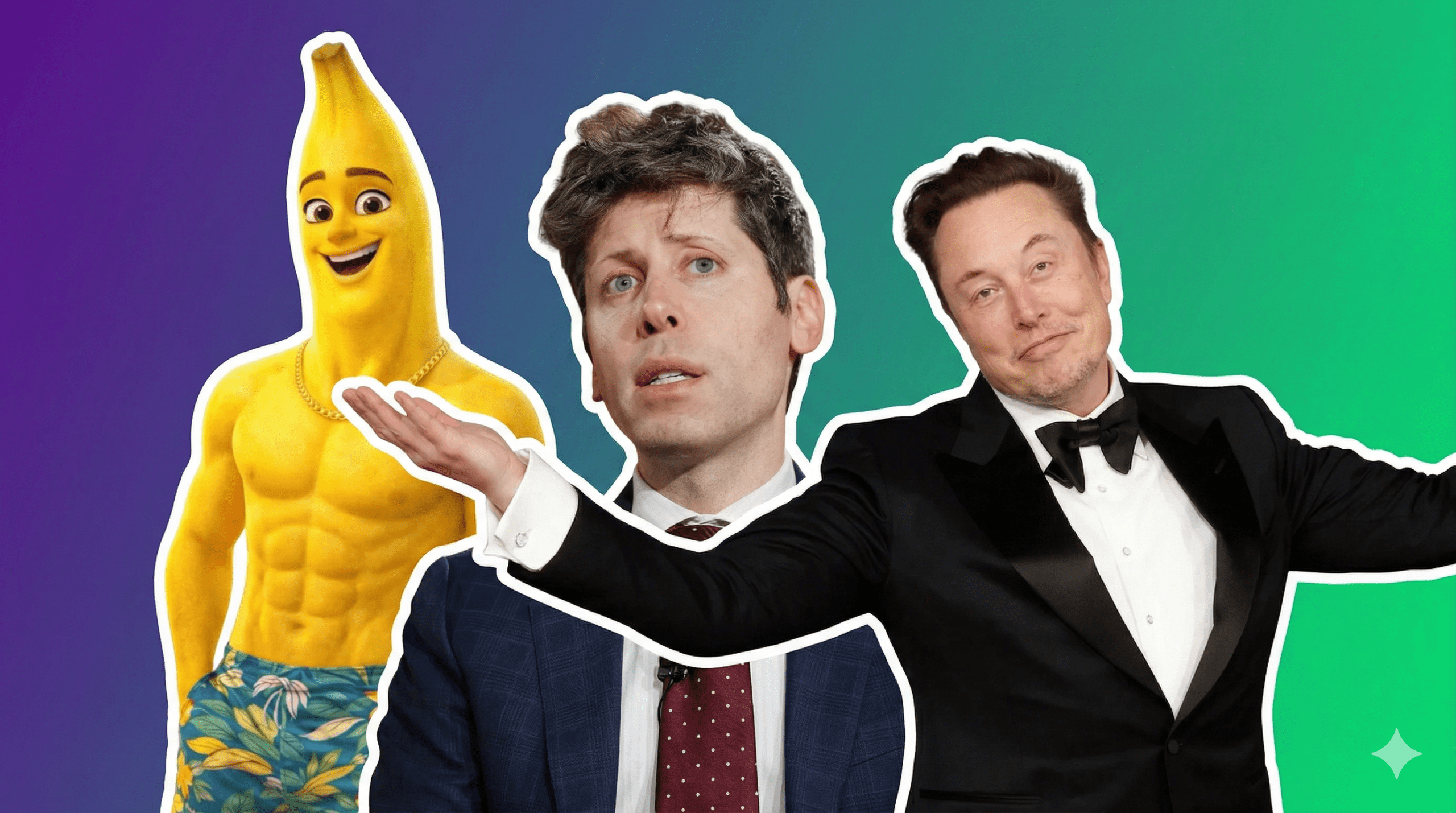
2. Sam Altman: “He has a sociopathic indifference to the consequences of deceiving”
The New Yorker published an 18-month investigation based on over 100 interviews and internal OpenAI documents. Among them, the ~70 pages of memos that Ilya Sutskever (OpenAI co-founder) compiled about Altman’s behavior, headed by a list whose first item was: “Lying.” Dario Amodei himself (CEO of Anthropic), who worked at OpenAI, said before leaving, “The problem with OpenAI is Sam himself.
Why it matters: OpenAI was supposed to prove that powerful AI could be built while keeping it accountable to the public good. According to its own former leaders, every one of those mechanisms gave way. The documented pattern isn’t that of an imperfect executive: it repeats from Loopt to Y Combinator to OpenAI.
3. The 2-employee “AI unicorn” was partly a fake doctor factory
The New York Times profiled Medvi as proof of Altman’s prediction: a company with $401 million in first-year sales and only two employees. What it omitted: Medvi operated over 800 Facebook accounts of doctors to advertise its weight-loss products, and all were allegedly fake.
Why it matters: The government had issued a formal warning six weeks before the Times’ laudatory profile. Medvi’s clinical provider also suffered a breach that exposed data from 1.6 million patients, many of whom entrusted their real medical information to a platform built on fabricated medical identities.

4. Musk is building a chip factory to depend on no one, including Nvidia
Elon Musk announced Terafab: a joint project between Tesla, SpaceX, and xAI to build a semiconductor complex in Austin targeting one terawatt of AI computing capacity per year. On April 7, Intel signed on as the primary foundry partner with a $25 billion budget and 2-nanometer technology.
Why it matters: Musk stated that all factories in the world produce barely 2% of what his companies will need. Terafab is a declaration of technological independence, not just an infrastructure project. For Nvidia, it’s the signal that their most strategic client is building the alternative.
5. Frutinovelas: 300 million views, 10 days, and TikTok deleted them
TikTok deleted the Fruit Love Island account after it accumulated 300 million views and 3.3 million followers in just ten days, classifying the content as “low-quality AI.” The series, featuring anthropomorphic fruits in a romance reality format, was generated entirely with AI tools accessible from a phone.
Why it matters: The format was immediately replicated by hundreds of copycat accounts; deleting the original stopped nothing. Platforms still lack clear criteria for moderating this volume of synthetic content at this speed.
Bonus: Content of the Week
A Polymarket bot made $438,000 in 30 days. AI is going after every industry. This video from the great Nate explains how people are finding more brutal use cases for AI.


