

From the institutional resistance of the Vatican to tensions between OpenAI and Microsoft over code sovereignty.
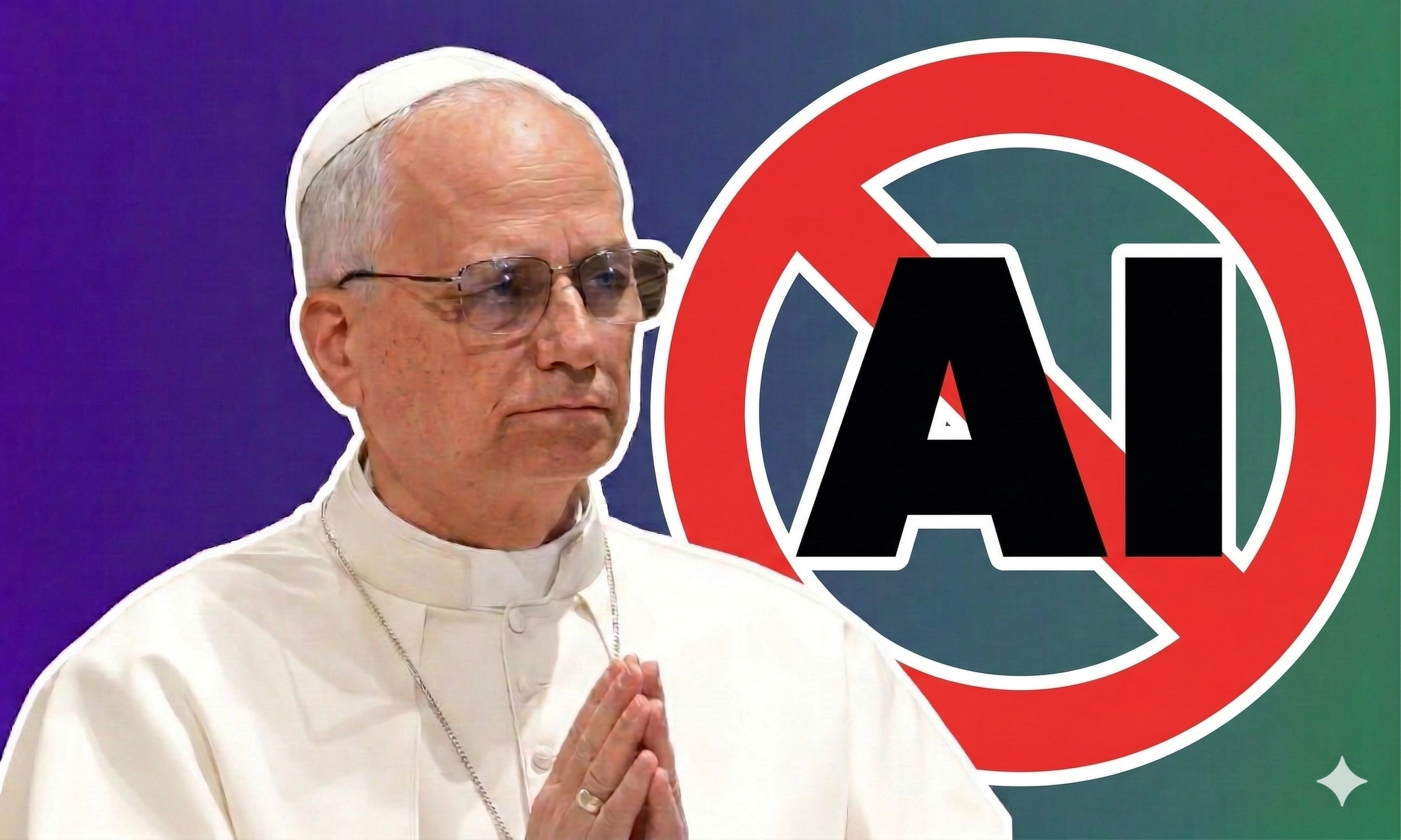
1: Pope Leo bans AI in homilies
Pope Leo XIV has formally banned priests from using artificial intelligence tools to write homilies. The argument is that the technology lacks the human experience necessary to “transmit faith,” labeling it as incapable of sharing an authentic lived experience.
2: Anthropic released a study on the jobs most impacted by AI
Anthropic conducted a study showing the main jobs being impacted by AI, highlighting roles such as data entry, technical writing, financial analysis, and administrative support. The research confirms that the technology is compressing workflows to the point where teams that once required ten people can now maintain their output with only three or four.
3: OpenAI is developing its own GitHub
OpenAI is internally developing its own code management platform designed to compete with GitHub. This move places the startup in direct conflict with the assets of its main investor, Microsoft, marking a potential breaking point in their alliance.

4: OpenAI launched ChatGPT in Excel
OpenAI has launched its official ChatGPT integration for Excel, notable for its accessibility and visualization capabilities. However, the market shows a technical divide: while ChatGPT leads in usability for everyday tasks, Claude for Excel remains the reference for complex analysis thanks to its 200k+ context window capable of handling massive datasets.
5: Citrini Research’s ‘Global Intelligence Crisis of 2028’
A report suggests that by 2028, the massive integration of AI will trigger a systemic restructuring in which the productive capacity of autonomous agents surpasses humans’ ability to manage businesses. The central argument revolves around “phantom GDP”: if AI automates work and eliminates the need for wages, GDP could continue growing due to artificial hyper-productivity, but consumption would collapse because there would be no income base to sustain it.