
 English


 Español
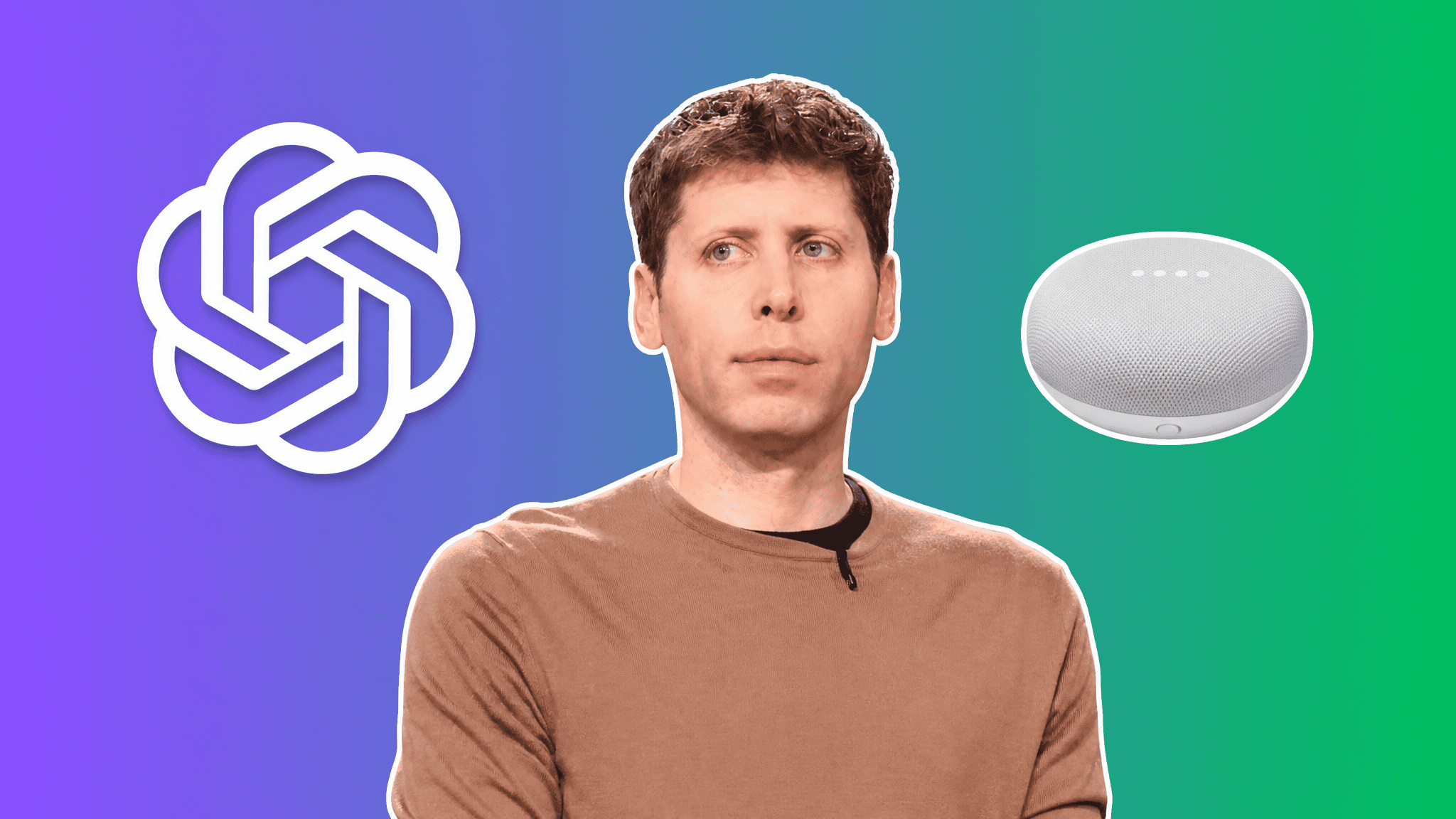
For two years, the tech world waited for OpenAI to reveal the device that would finally challenge the iPhone. This week, according to Bloomberg, the answer leaked, and it is not a phone at all. OpenAI’s first piece of hardware, designed with legendary Apple designer Jony Ive, is a portable smart speaker with no screen.
What OpenAI is actually building
The device reportedly ships without a display, but it does have a camera, a battery, and parts that physically move on their own. A price near 200 dollars has leaked, and the launch is planned for late 2026. Pairing OpenAI’s models with Jony Ive, the designer behind the iPhone, the iMac, and AirPods, signals ambition well beyond a novelty gadget. It is a bet that the next interface for AI is not a screen you tap but a presence you talk to. The self-moving parts and the camera suggest something more alive than a speaker, a device that can turn, look, and react to the room around it.
Why a speaker, not a phone
On the surface, a screenless speaker sounds underwhelming next to the iPhone-killer hype. But the strategy underneath is sharper than the hardware. Right now, ChatGPT lives on someone else’s screen: Apple’s iPhone, Google’s Android, Microsoft’s Windows. Every interaction runs through a platform OpenAI does not control, and every platform owner can change the rules. A dedicated device gets ChatGPT off those borrowed screens and onto your desk, your kitchen counter, your nightstand, hardware OpenAI owns end to end. The point is not to beat the iPhone on specs, it is to make the phone a little less central to how you use AI.
What it means for your business
The lesson for businesses is not about buying the gadget, it is about where AI is heading. The interface is shifting from apps you open to assistants that are simply present, listening and acting in the background. If customers start talking to an always-on assistant instead of tapping through an app, the way they reach your product changes. Being reachable by voice, quickly and reliably, becomes part of how you get found and chosen.

Physical, ambient AI also raises the bar on trust. A device with a camera and a microphone that lives on your desk only works if people believe it is safe and useful, not creepy. The companies that win this next wave will be the ones that make an always-on assistant feel like a helpful colleague rather than a surveillance tool. That is a design and a trust problem as much as a technology one.
Everyone wanted an iPhone killer. OpenAI is playing a longer game: not beating Apple at phones, but making the phone a little less necessary in the first place.


