 English


 Español
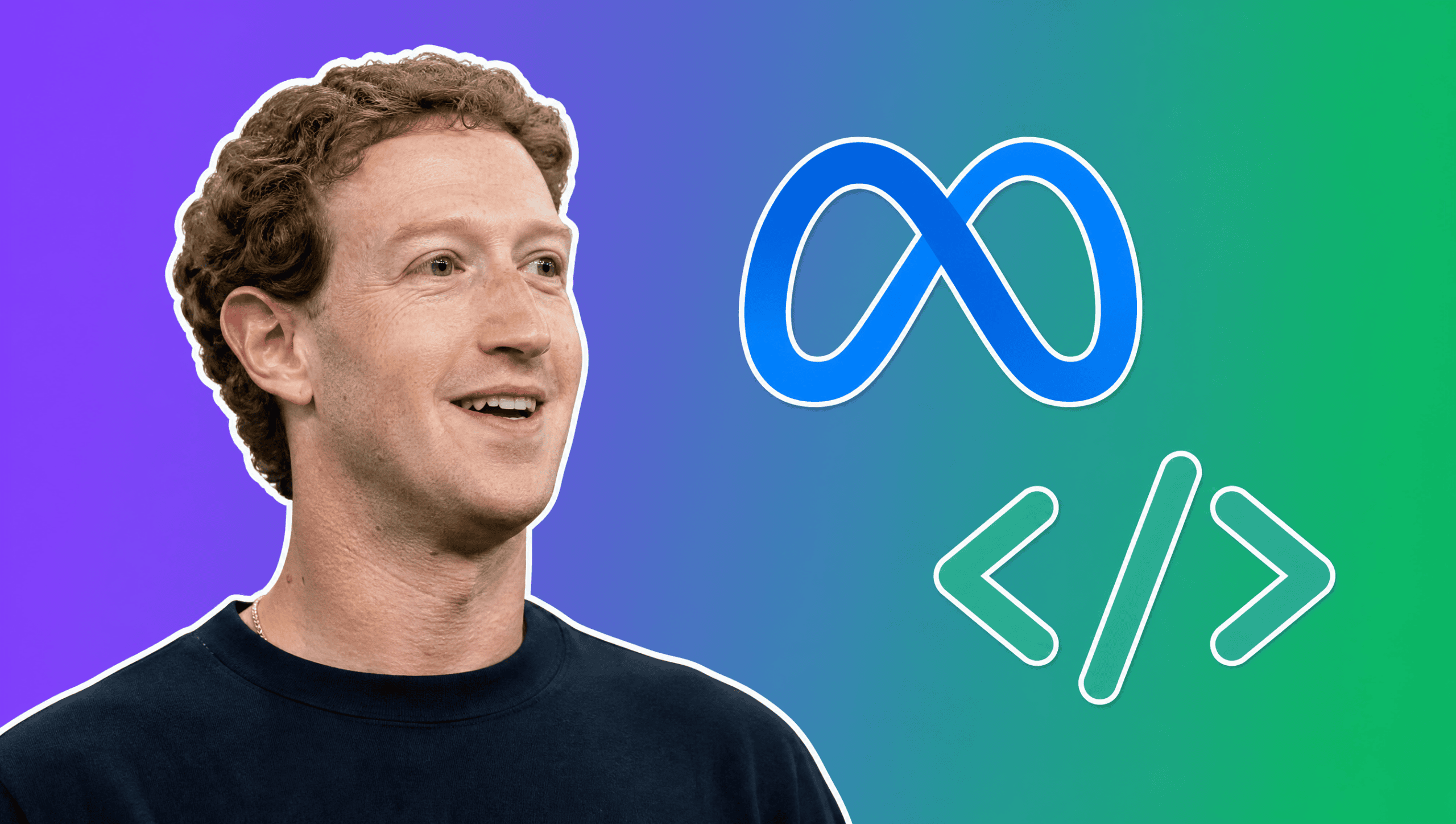
When a tech giant launches a new AI model, the playbook is usually predictable: publish the benchmarks it wins, bury the ones it loses, and declare victory. Meta just tore up that script. On August 5, 2026, the company released Muse Code, its first dedicated AI coding agent, and did something almost no competitor does. It published charts showing its own model finishing in second place.
What Muse Code does
Muse Code is Meta's entry into the crowded and fast-moving market for AI coding agents, tools designed to automate complex software engineering tasks across large codebases. It arrived in beta alongside an update to Meta's Muse Spark model, positioning the company squarely against Anthropic's Claude, OpenAI's Codex, and a growing field of rivals.
What sets Muse Code apart is not raw benchmark dominance. On coding evaluations, Meta's models trail the current frontier: Claude Opus 5, Claude Fable 5, GPT-5.6 Sol, and Kimi K3 all score higher. Instead of hiding that, Meta put it on the slide. The company's Muse Spark 1.2 update lands roughly tied with Grok 4.5 and within striking distance of the leaders, and Meta chose to show exactly where it stands rather than cherry-pick favorable comparisons.
The transparency bet
The differentiator Meta is leaning on is architecture, not just scores. Muse Code introduces persistent background agents and an append-only local event log. In practice, that means the agent records every call it makes, every command it executes, and every file it changes to a local log before and as it acts. For developers and the teams that manage them, that creates an auditable trail of what the AI actually did, a feature that matters enormously in enterprise settings where a coding agent operating unsupervised on a large repository is a real risk.
This is where the transparency theme runs deeper than a marketing choice. By logging actions locally and publishing honest benchmarks, Meta is signaling that trust and accountability, not just capability, will decide which coding agents companies are willing to deploy. In an industry where models are often black boxes and vendors make sweeping claims, showing your weaknesses and your audit trail is a genuine differentiator.
Why honesty is a strategy
It is tempting to read Meta's move as humility, but it is better understood as positioning. When every vendor claims to be the best, those claims become noise, and buyers grow skeptical. By acknowledging strong competitors and grounding its pitch in verifiable logs and honest numbers, Meta is trying to stand out precisely by not overclaiming. For a company that has faced its share of trust issues, leading with transparency is a deliberate reset.
For businesses evaluating AI coding tools, the lesson extends beyond Meta. The most important questions are shifting from "which model scores highest" to "which system can I actually trust to operate inside my codebase, and can I see what it did." A model that is second on a benchmark but fully auditable may be the safer choice for a team than a slightly stronger model that operates as a black box.

That same principle applies far beyond software engineering. As AI agents move into sales, support, and operations, the businesses adopting them care less about leaderboard rankings and more about control: knowing what the agent did, why it did it, and being able to trace every action. Transparency and auditability are quickly becoming the features that separate AI you can deploy from AI you only demo.
Meta may not have the top coding model on the market, but by showing its work, literally and figuratively, it is making a bet that honesty will age better than hype.


