



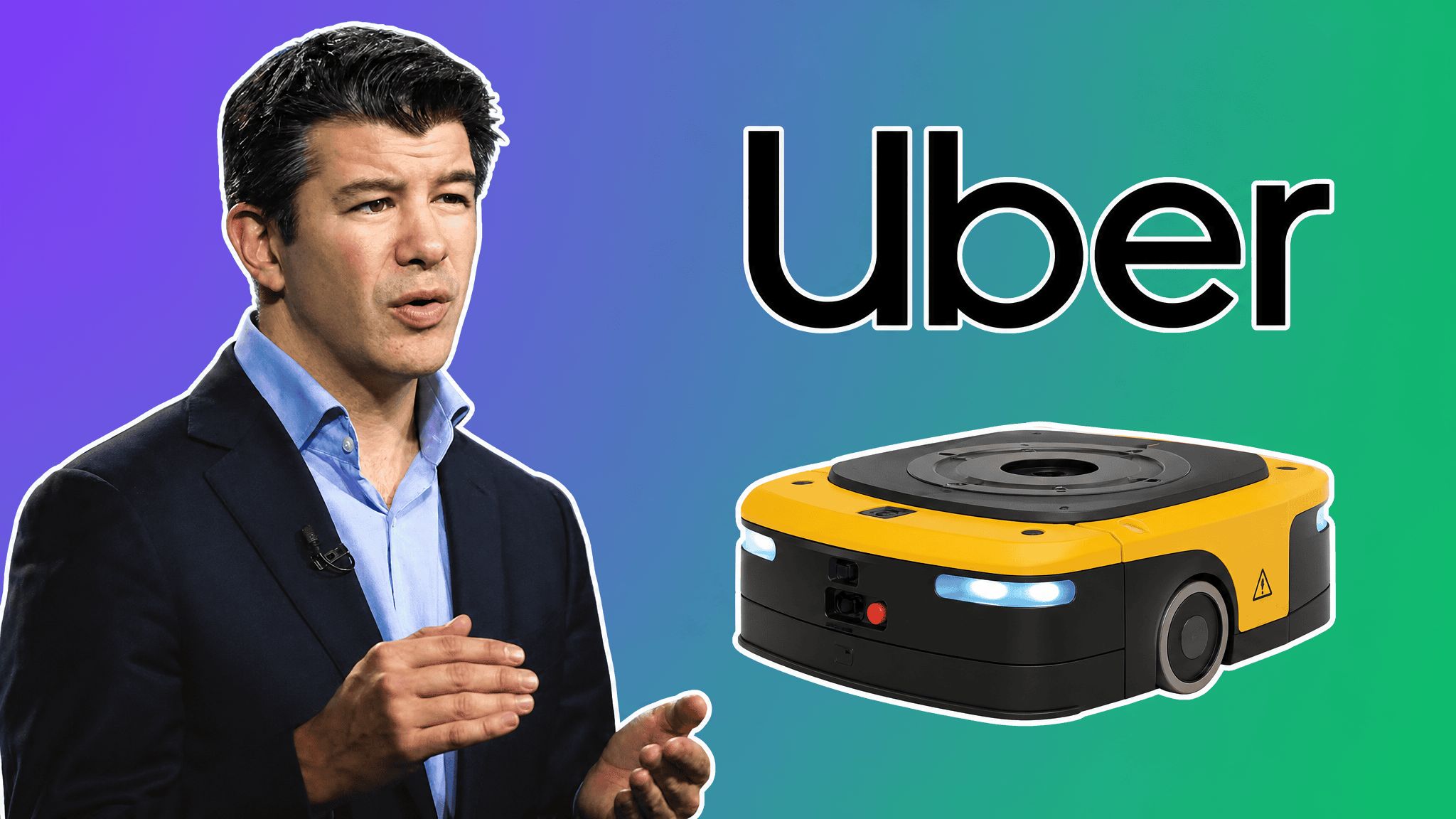
Travis Kalanick built Uber, got pushed out of it in 2017, and mostly disappeared from the headlines. This week he came back with one of the biggest robotics rounds of the year. Atoms, his industrial robotics company, raised 1.7 billion dollars on July 22, 2026 in a round led by Andreessen Horowitz. Ben Horowitz is joining the board, and in a twist worth savoring, Uber, the company that ousted Kalanick, invested too.
The scale of the check is the story. While much of the market argues about whether chatbots are a bubble, the largest bets are quietly flowing toward AI that moves physical things.
What Atoms is building
Atoms grew out of Kalanick’s ghost-kitchen company, CloudKitchens, and has been reshaped into a holding company aimed at heavy industry. It has absorbed Pronto, an automation company for industrial settings, and Kalanick has been open about his ambition to build what he calls a ‘wheelbase for robots’, a common platform underneath many kinds of industrial machines.
The target markets are mining, logistics, and food robotics, and the company is talking about operating across more than 110 cities. Kalanick frames the whole thing in characteristically grand terms, describing a goal to understand, predict and control the physical world with software, and imagining atoms-based computers where manufacturing is the processor, real estate is the storage, and transportation is the network.
Why the money is moving to physical AI
The size and backers of this round are a signal about where smart money thinks the next productivity leap lives. Text generation has been the story of the last few years. The next one, according to the checks being written, is software that operates factories, warehouses, and supply chains.
Ben Horowitz drew the parallel directly: just as Uber reshaped transportation and computers reshaped the digital world, the bet is that AI and robotics will reshape physical work. Capital flowing in today decides which tools and which competitors you will be dealing with in a few years.
What it means for your business
Most companies are not about to buy a fleet of mining robots. But the direction of travel matters for everyone. The investment thesis behind Atoms is that AI is graduating from writing to doing, from drafting an email to running a physical operation, and that shift will reach logistics, manufacturing, and fulfillment before long.

For a business, the useful lesson is less about robots and more about where automation is heading. The same logic that makes physical AI attractive to investors, that the real returns come from software actually operating a process rather than just describing it, applies to digital workflows too. The value is in systems that do the work, not tools that talk about it.
Kalanick betting his comeback on industrial robots is not nostalgia for his Uber days. It is a read on where the returns are moving next. For teams in LATAM and global markets, it is a reminder that the AI story is expanding well beyond the chat window, and the companies positioning for that shift now are the ones writing the biggest checks.


