

Introduction
90% of the AI news you see in your feed is pure noise. Corporate hype, empty promises, and recycled stories. This week, however, five tectonic shifts took place that define where money and technological power are headed in 2026.
I’ve filtered the chaos for you. Here’s what really matters.
1. The Musk Empire: The Tesla–SpaceX Merger
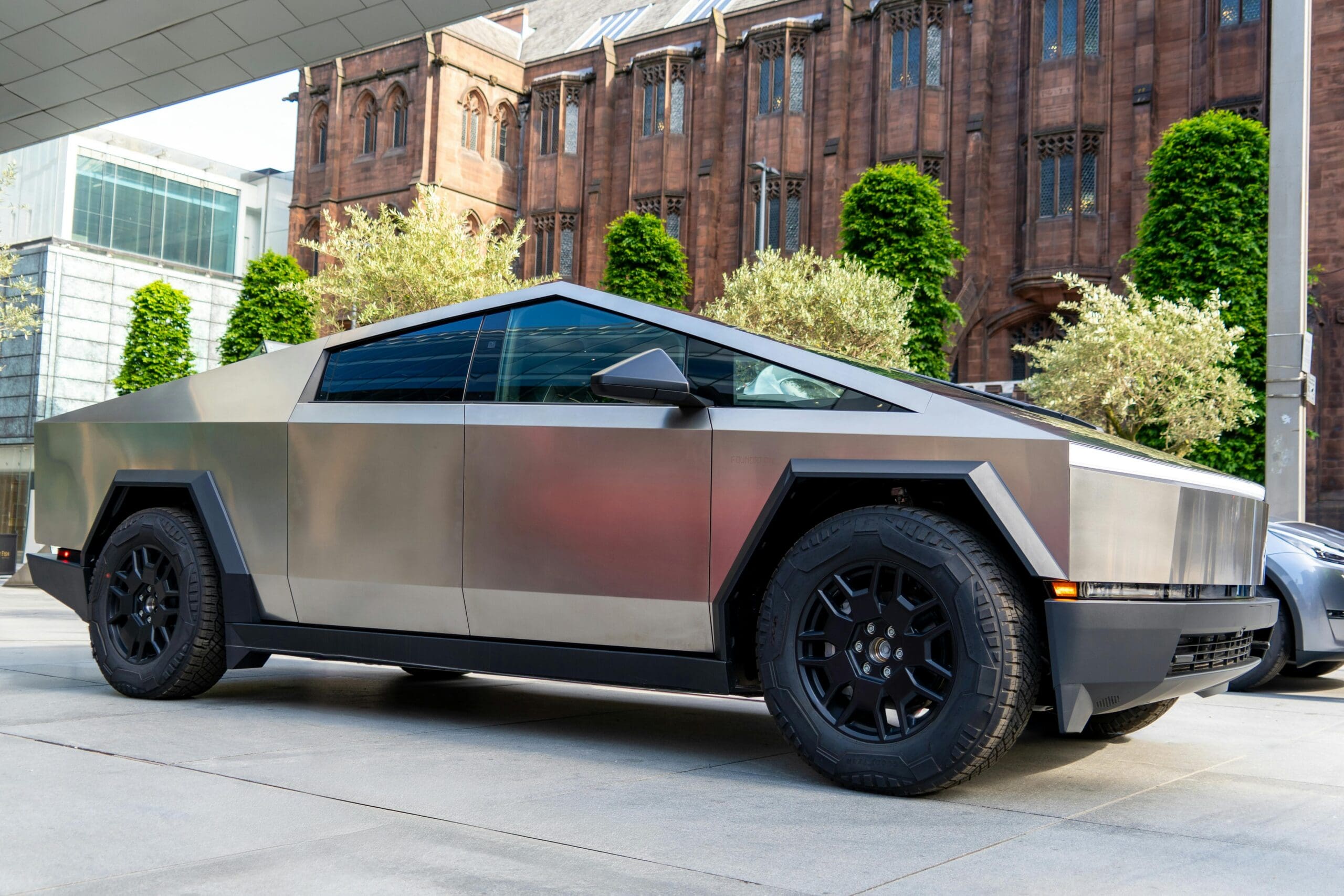
What many once considered hallway rumors is starting to take shape. Elon Musk is formally exploring the merger of his two giants: Tesla and SpaceX.
This isn’t just a financial move or debt consolidation. It’s a strategy for total technological sovereignty. By unifying the brains behind Tesla’s autonomous cars and robots with Starlink’s low-latency satellite infrastructure, Musk is creating an unbeatable Earth–space ecosystem. Imagine a global transportation network where software, hardware, and satellite connectivity all belong to the same entity.
2. The Clawdbot Phenomenon: From Chats to Autonomous Action
If you’ve been following AI, you know “chat” is already old news. The future is agents, and Clawdbot is the name breaking the internet.
Unlike traditional language models that only generate text, Clawdbot is an autonomous agent designed to execute complex tasks directly on your operating system. It can navigate your files, interact with apps, and run multi-step workflows without constant supervision. It’s the first real glimpse of a “digital employee” living on your PC.
3. Apple and $1.6 Trillion “Lip Reading”

Apple has just closed the acquisition of q.ai, a startup specializing in computer vision applied to audio. But the technical term is even more fascinating: facial micro-movement reading.
q.ai’s technology allows devices to interpret what you’re saying simply by analyzing the movement of your lips and facial muscles through the camera, without processing sound waves. This enables full interaction in extremely noisy environments or in complete silence.

4. Google Genie: The World Simulator That Shook Gaming
Google launched Genie, a generative model capable of creating interactive worlds and playable video games from a simple image or text description. The impact on Wall Street was immediate, hitting major gaming industry stocks.
Genie doesn’t just render images. It understands physics and interactivity. This enables endless simulations where other AIs and robots can be trained before being tested in the real world, dramatically accelerating autonomous robotics development.
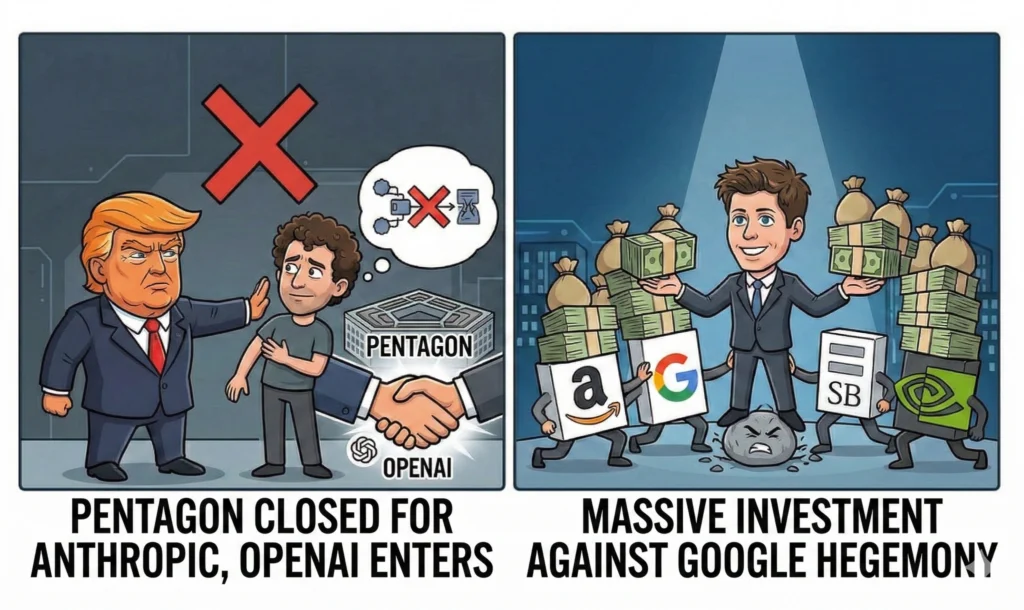
5. Nvidia Puts the Brakes on OpenAI: The Massive Investment Bubble
Nvidia has decided to pause its $100 billion investment commitment to OpenAI. While the announcement in September boosted Nvidia’s stock, Jensen Huang has now stepped back, clarifying that there was no binding contract.
The main reason appears to be concerns over financial discipline. OpenAI is operating at massive losses, spending close to $17 billion annually on compute and talent. Nvidia seems to be prioritizing clients with more sustainable business models or, at least, less aggressive cash burn.
Do you see the difference? While the rest of the world gets lost in debates about whether AI is “conscious,” you already know exactly where the money is going: autonomous agents, invisible interfaces, and infrastructure sovereignty.