


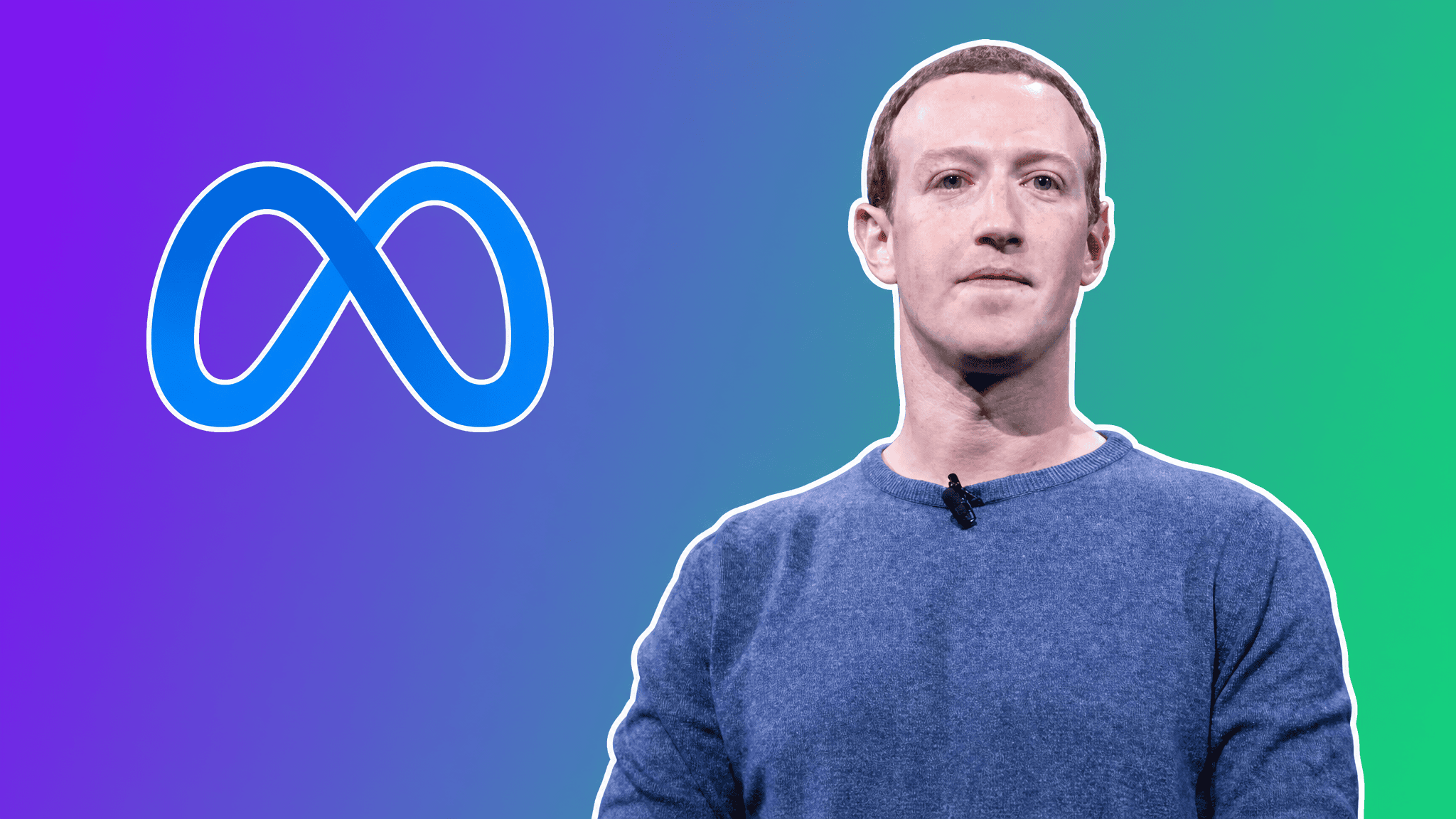
Meta just did something that still feels counterintuitive in the AI race: it gave away one of its most capable models for free. On August 10, the company released Muse Glimmer, an open-weight model that anyone can download, modify, and run on their own hardware. On the same day, Mark Zuckerberg published a 6,500-word manifesto arguing that giving powerful AI away is not reckless, it is the whole point.
What Muse Glimmer actually is
Muse Glimmer is a roughly 30-billion-parameter model, released under the permissive Apache 2.0 license, which means developers can download the weights, fine-tune them, and build commercial products without paying Meta a cent. Crucially, it is small enough to run locally on a single consumer GPU, so a laptop or a modest workstation can run it without a data center behind it.
It is not a toy. Glimmer is built to run AI agents that carry out multi-step tasks: calling tools, writing and debugging code, working with files and screenshots, and executing across an extended workflow. It handles both text and images, and it was trained across more than 100 languages. In effect, it is an open version of Muse Spark, Meta’s most powerful closed model, which the company debuted in April. Meta also said it will open the weights for its newer Muse Spark 1.2, pushing even more capability into the public domain.
The manifesto behind the model
The release came wrapped in a message. In an essay titled The Future Is for Everyone, Zuckerberg argued it would be wrong to restrict access to superintelligent AI to a handful of individuals or companies on safety grounds. He called it surprising that so much of the discourse from the people actually building AI was filled with doom, and he framed Meta’s open strategy as a direct challenge to Chinese open-source technology while urging Washington to back American efforts instead of throttling them.
That last point is the strategic heart of it. Open-weight models from Chinese labs have been closing the gap with the best American systems, and Meta is positioning its own openness as the patriotic answer: if the world is going to run on downloadable models, better that the dominant ones come from the United States. The White House reportedly took note, which is exactly the reaction Meta wanted.
What it means for your business
For companies, an capable open model that runs on your own hardware changes the math on cost, privacy, and control. You are no longer forced to send every request to a third-party API and pay per token. Sensitive data can stay on your own machines, and you can fine-tune the model on your own processes without asking anyone’s permission. For regulated industries and privacy-conscious teams, that is a meaningful unlock.

The bigger shift is philosophical. Meta is betting that the future of AI belongs to whoever builds the biggest ecosystem, not whoever guards the smartest secret. Open weights invite a flood of developers to build on top of your model, and that community becomes a moat of its own. Whether or not you agree with the safety trade-offs, the direction is clear: powerful AI is becoming a commodity you can hold, not just a service you rent.
For business leaders, the takeaway is to stop assuming that serious AI has to mean a subscription to a closed provider. Open models like Glimmer make it realistic to run agentic workflows in-house, and platforms that orchestrate those agents across your tools and data are what turn a downloadable model into actual business value.


