


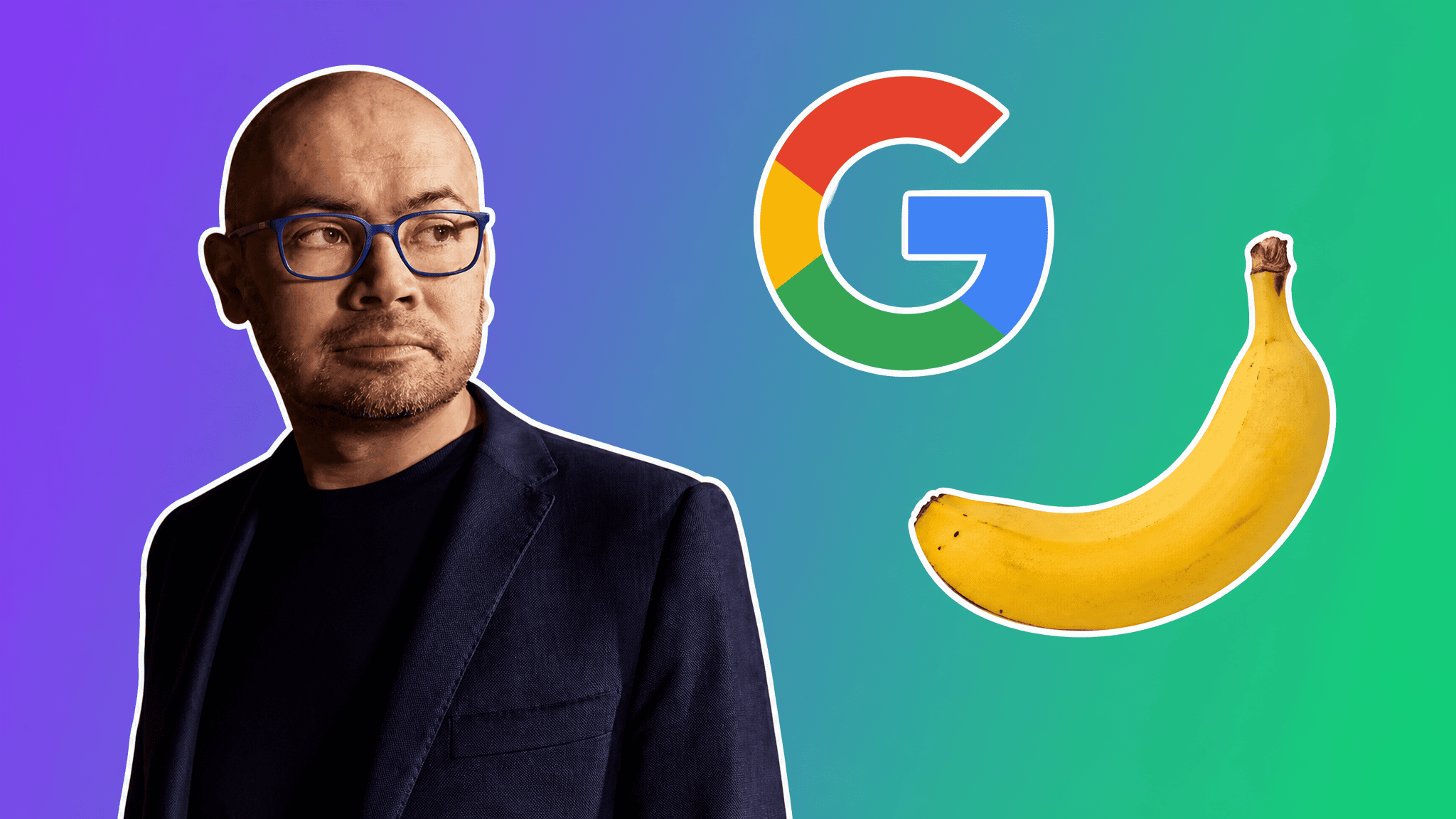
While everyone argued about which AI could make the prettiest picture, Google quietly changed the question to how cheap a picture could get. On June 30, 2026, Google launched two models built for cost and speed rather than bragging rights: Nano Banana 2 Lite for images and Gemini Omni Flash for video. Both are aimed at the same goal, driving the cost per creative operation down far enough that generating media at scale stops being a budget line and starts being an afterthought.
The numbers that matter
The numbers are the headline. Nano Banana 2 Lite produces a text-to-image result in about 4 seconds and costs roughly 0.034 dollars for a 1K-resolution image. That is around three cents per image, fast enough and cheap enough to run in high-volume, near-real-time workflows. Google positions it as the fastest and most cost-efficient model in the Nano Banana family and recommends it as the replacement for the original Nano Banana, while keeping the qualities that make an image usable: reliable prompt adherence, strong character consistency, and legible text rendered inside the image.
On the video side, Gemini Omni Flash brings the same philosophy. It costs about 0.10 dollars per second of output, currently generates 10-second clips, and lets you edit through conversation, connecting text, images, and video with simple natural-language prompts instead of a complicated timeline. It is built to be competitive with fast video models on price, so teams can iterate on video the way they already iterate on copy: quickly and without wincing at the cost.
Price and volume over quality
Step back and the strategy is obvious. Google is not trying to win the quality contest, it is trying to win on price and volume. In creative infrastructure, the cheapest reliable option tends to win distribution, because it becomes the default choice baked into apps, pipelines, and products. When an image costs three cents and takes four seconds, developers stop rationing generations and start building features that assume media is basically free. That assumption, once it takes hold, is very hard for a pricier competitor to dislodge.
Both models are also everywhere Google can put them, available through Google AI Studio, the Gemini API, and the Gemini Enterprise Agent Platform, and rolling out across consumer products. That reach is the other half of the plan: cheap models are only a moat if they are easy to adopt, and Google is making sure they show up wherever a developer or a team might reach for them.

What it means for your business
For businesses, the takeaway is not that you should switch vendors tomorrow, it is that the cost of visual content is collapsing, and that changes what is possible. Personalized images for every customer segment, fresh video for every campaign, on-the-fly visuals inside your product, all of it gets more realistic when each operation costs pennies. The teams that benefit will be the ones who rethink their workflows around near-free generation rather than treating it as an occasional splurge.
Google just made paying premium prices for AI imagery look like a choice rather than a necessity. When the floor drops this fast, the winners are rarely the ones with the flashiest model. They are the ones who build as if creating an image or a video costs almost nothing, because very soon, it will.


