



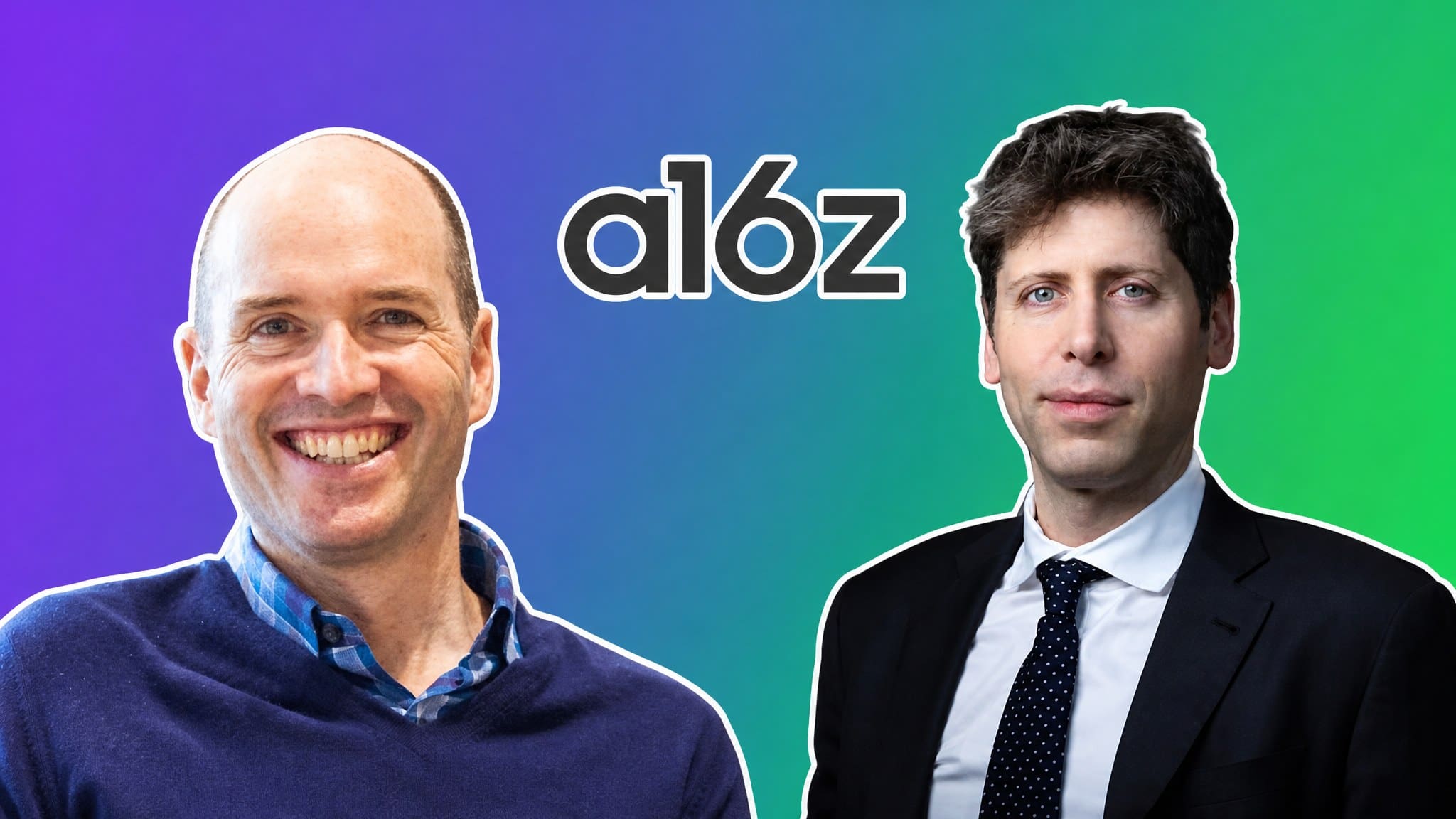
For decades, the path into a technology career ran through a university degree. This month, one of the most powerful venture capital firms in the world placed a large bet that the path is changing. Andreessen Horowitz, known across the industry as a16z, launched a new academy built specifically for the age of artificial intelligence, and it looks almost nothing like a traditional college.
What the a16z academy offers
The school opened with $42 million in backing, and the list of supporters reads like a who's who of the AI world: Anthropic, Google, Meta, OpenAI, Nvidia, and Palantir all contributed. It operates as a for-profit company based in San Francisco, and it is not accredited, meaning it does not hand out a recognized degree.
What it hands out instead is experience. There are no tests, no homework, and no grades. Rather than sitting through lectures and completing assignments, students build real AI companies and projects, with direct access to top-tier firms and the people who run them. The curriculum covers designing AI systems, raising startup funding, selling to businesses, and storytelling. Instructors are working entrepreneurs, and OpenAI CEO Sam Altman has been named among those teaching or guest lecturing.
The first program runs for one year and is tuition-free. It is now accepting applications for just 50 seats starting in fall 2027, aimed at recent high school graduates or students with up to two years of coursework at elite universities. A two-year program is planned for fall 2028, and that one will carry tuition comparable to a top private university.
Why a16z is really doing this
Ben Horowitz, the firm's co-founder, framed the launch as a necessary experiment. "The training that worked for the Industrial Revolution isn't going to map perfectly onto the AI revolution, so somebody has to pioneer how you train a person for this new world," he said.
It is worth reading the move clearly, though. This is not a charity, and it is not trying to replace basic education. A venture firm's core advantage is getting early access to the best founders before anyone else. An academy full of ambitious young builders, mentored by the firm's own network, is a remarkably efficient way to spot and back those founders first. Think of it less as a university and more as a farm team for a sports franchise: develop the talent early, and you get first pick when it is ready.
What it means for who you hire
Even if you never apply, this shift affects you. The way technical talent is trained is changing in real time, and the tech elite is openly betting that building things is worth more than studying theory. In three years, some of the sharpest AI talent on the market may arrive with a portfolio of shipped products instead of a diploma.
For anyone who hires, that is a prompt to rethink what a strong candidate looks like. A degree has always been a convenient shorthand for capability, but if the most driven people are learning by building, the better signal becomes what someone has actually made. Evaluating real projects takes more effort than scanning a resume, yet it is likely to find talent that traditional filters miss.
None of this means college is finished. Most fields still run on formal credentials, and an unaccredited one-year program is a niche bet, not a mass movement. But when the investors who fund the industry's biggest companies start building their own talent pipeline outside the university system, it is worth paying attention. The definition of a qualified person in tech is being rewritten, and the people rewriting it are the ones who sign the checks.


