 English


 Español
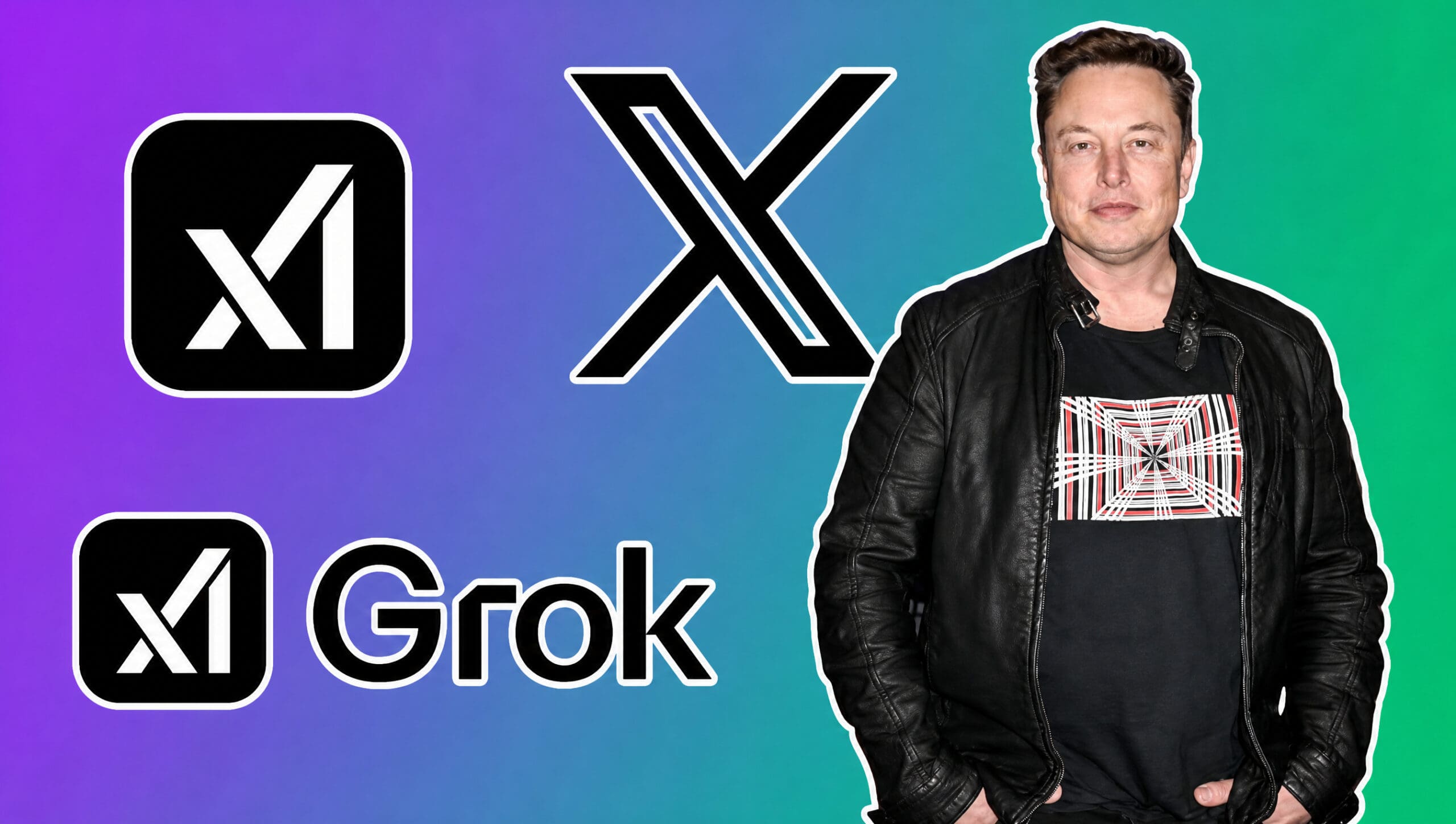
Imagine hiring a teammate who never sleeps, never logs off, and quietly finishes your busywork overnight. That is the pitch behind GrokBot, the always-on AI agent product xAI launched on August 11, 2026, and it may be the moment autonomous agents stop being a toy for power users and start looking like actual digital labor.
What GrokBot actually does
Unlike a chatbot that answers questions, GrokBot is built to do jobs. Each bot gets its own cloud computer, complete with a browser, a terminal, and files, and it signs into your existing tools using your credentials rather than needing custom API integrations. That means it can work inside Gmail, your CRM, or a website the same way a human employee would, clicking through real applications instead of waiting for a developer to wire everything together.
The always-on part is the key. Jobs keep running after you close your laptop, and the bot only pauses to ask for approval when it hits something that genuinely needs a human decision. It remembers context across conversations, and it can learn a workflow by watching you do a task once, then repeat it on its own. Multiple bots can even run in parallel, message each other, and coordinate in group chats, closer to a small team with a chief of staff than a stack of automations you have to babysit.
The playbook: take something popular and make it mass-market
xAI did not invent autonomous agents. Tools like OpenClaw and Manus already gave technical early adopters a taste of agents that carry out multi-step work. What xAI did is classic Elon Musk: take something popular among pioneers and make it easier, cheaper, and available to everyone. GrokBot is essentially that autonomous-agent experience packaged for non-technical people at scale, riding on the massive existing Grok user base.
Internally, xAI teams are already using GrokBot for sales outbound (overnight research, lead scoring, personalized email drafts), demo prep, CRM cleanup, invoice processing from Gmail, bug reproduction, and new-hire onboarding. As one team member put it, there is a huge difference between 90% done and 100% done, and the promise is that the bot can finish the swing.
What it means for your business
Pricing tells the strategy. GrokBot is not sold on its own; it is bundled into higher subscription tiers, positioned well below what a human would cost for the same work. That framing, agents that hold a role rather than just assist with a task, is exactly why operations and entry-level knowledge work should pay attention.

For most companies, the honest takeaway is not that a bot will replace your team next quarter. It is that the baseline expectation for what one person plus a few agents can accomplish is rising fast. The teams that win will be the ones that learn to delegate the repetitive, multi-step, someone-has-to-do-it work to agents, and reserve human time for judgment, relationships, and strategy. GrokBot is a loud signal that the digital-labor era has a consumer-friendly face now, and it is going to grow.
The open questions are the ones every autonomous-agent product faces: how much you trust a bot with your live credentials, how you audit what it did while you were offline, and where the guardrails sit. But the direction is unmistakable. The agent that does the work, not the one that answers questions, just got a lot more accessible.


